
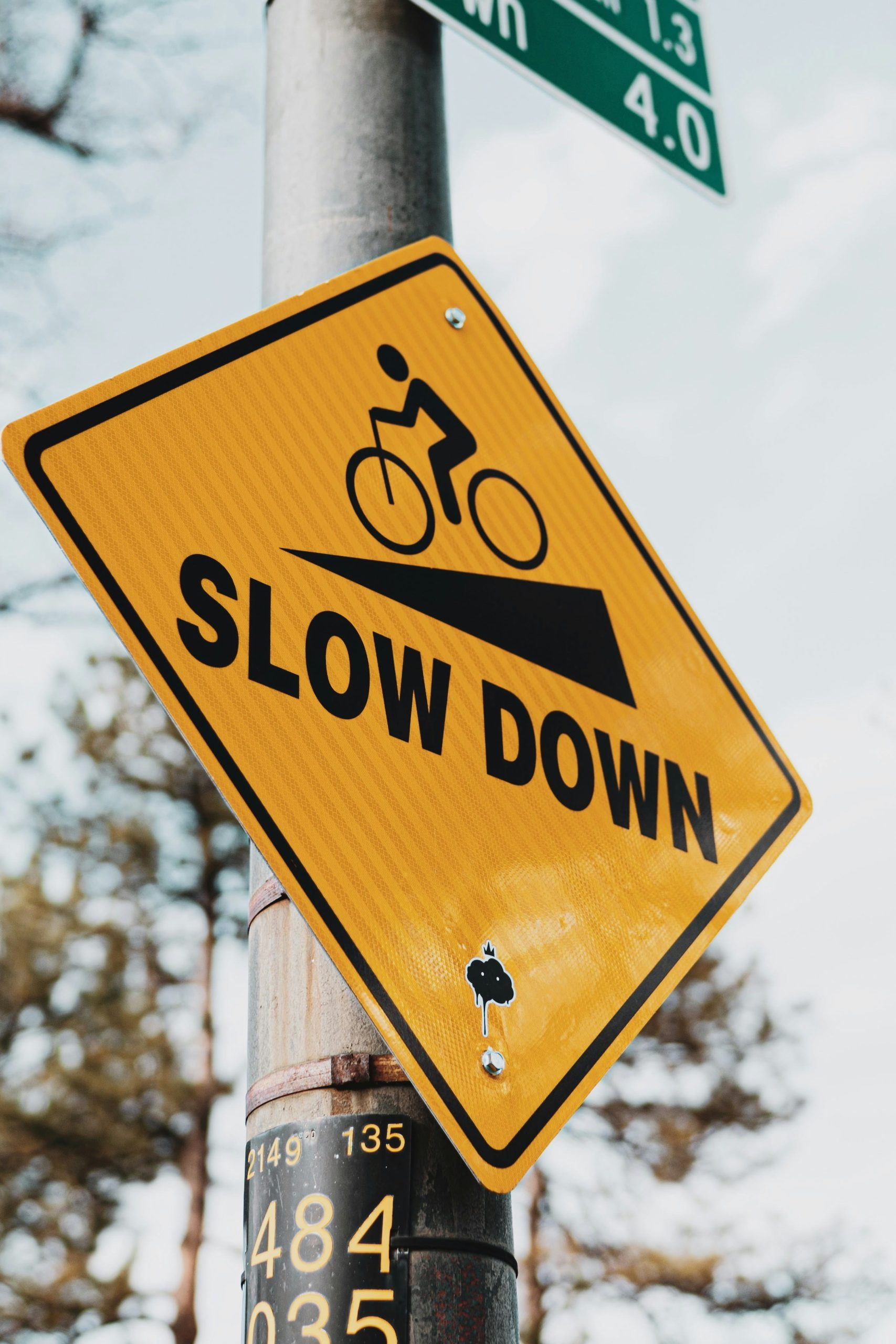
A friend once made an observation about me. “You like to do everything fast.” She knew me well. I like quick recipes, packing lots of things into a day, speed reading through material to extract the key points, listening to audio books while exercising, and using GPS to get me where I’m going as quickly as possible. In most cases this tendency serves me well and allows me to accomplish lots of tasks in a minimum amount of time.
But as with all choices, this choice to favor speed over patience and common sense can definitely have consequences caused by being too hasty. Sometimes rushing a recipe can make the result less tasty or even bad enough that the dish gets tossed out. I may rush out the door to a meeting and forget to bring important items I agreed to provide. The GPS directions I looked at ahead of time may be completely inaccurate by the time I’m actually heading to my destination. The results of my need for speed in these cases generally are not terribly serious or harmful to myself or others.
What I want to examine in this article is the lasting benefits of exiting the fast lane and choosing to be slow in some areas of life. One of the most beloved of Aesop’s Fables is The Tortoise and the Hare featuring the race between slow and fast. The hare was so confident in his speed that he stopped to take a nap. While he slept, the tortoise continued to move carefully and steadily forward, building a lead that the hare could not close before the finish line.
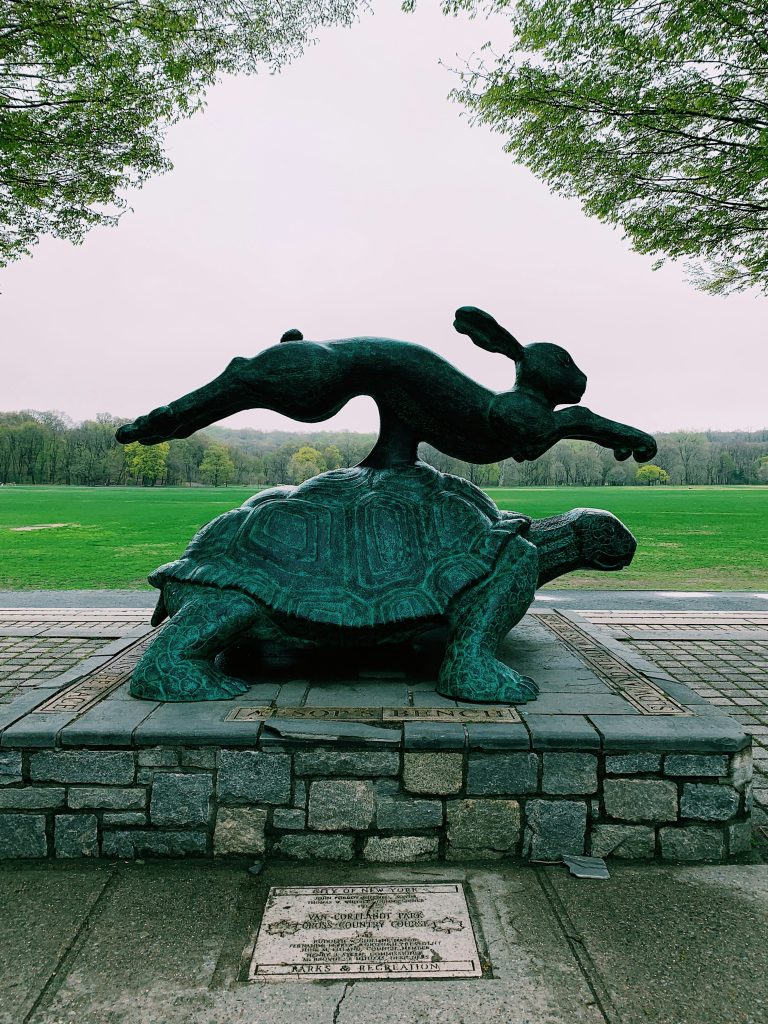 Photo Credit: Jon Tyson via Unsplash
This virtue of being slow certainly applies to some key choices, including being slow to anger, slow to judge, and slowing down to listen.
I invite myself and each of you to be slow to anger–taking time to listen with an open mind and heart. The goal is not to win an argument, but to find truth and build trusting relationships, especially with those who hold different views than ours. When I select fast mode, my temper and the temperature of my responses tend to be a bit “hot” under the collar. I am always grateful for a softer, slower, and reasoned comment that literally stops me in my tracks. I take a breath and remember that being right is not as important as being kind and that truth can be found in a variety of places and from differing viewpoints. I don’t understand all the algorithms, but I realize when I express anger or contempt, the internet keeps feeding that beastly part of me. The Bible teaches the virtue of being slow to anger. One of my favorite verses is Proverbs 16:32: Whoever is slow to anger is better than the mighty, and he who rules his spirit than he who takes a city.
Next, I invite each of us to be slow to judge. This June 6 post on Facebook demonstrated how to speak with clarity and charity. I love how the woman planned to chastise a leader for being unkind to her son. She planned to say, “You have no right to speak to him that way. He is my son, and you have no idea what he is going through.” Before she spoke the words she felt the Lord speak to her heart the exact words she was planning to use to judge the man harshly: “You have no right to speak to him that way. He is my son, and you have no idea what he is going through.” This is a powerful preventative we can apply to every single person we encounter in any circumstance: “This is a child of God and I want to see him as God does and truly try to see into his heart.” It would surely make us resolve to resist name-calling, labels, and personal attacks. It should also lead us to be tortoises who carefully and patiently look for reliable sources before passing judgment.
My final heartfelt plea is that we choose to slow down in our most important relationships. This could look like listening carefully, looking into the face of our loved ones as we talk and interact, refusing to multi-task with our phone or mental to-do list, and keeping promises we make to them and carrying out the plans we make together. This leisurely and loving interaction conveys more than words. It demonstrates how we value and prioritize what is in our loved ones’ hearts and lives, reducing our speed as we carefully and lovingly give them our undivided attention.
So, choose to be slow. It may surprise you the speed at which it will lead to controlling anger, building loving relationships, improving self-respect, and letting God show you the hearts of all your fellow travelers in life’s journey, and their infinite worth as children of God.
Important Note: We learned this week that JP Gibson, our valiant 16-year-old friend, lost his third battle with cancer. His parents described the important choice he made all these years: “He endured so much in his 16 years but you would have never known that if you had the chance to meet him. He consistently chose happiness over being angry and bitter at the hand life dealt him. Cancer never defined him and it definitely never broke him” (emphasis added).
His legacy is being shared broadly in news outlets. In addition to his brave choices, I return for the third time to his mother Megan’s plea (and example) to each of us to make these choices:
“Take the trip.
Make the memories.
Be intentional with your time.
Love. Your. People.
Lead Photo Credit: Logan Weaver via Unsplash

Norma grew up in rural Utah in a home furnished with good books and music, the newspaper, and fresh-baked cookies. She still enjoys big ideas, baking, and sharing life with Clyde—her husband, best friend, and versatile life assistant. Norma had dreams of writing a newspaper column. She even earned a degree in newswriting at the University of Utah—30 years, five children, and several grandchildren after beginning at Snow College. Now she not only gets to write and edit, but also rub shoulders and share great ideas with the capable, passionate members of Big Ocean.
View Author PageStay Inspired
Join Our Newsletter Journey
Dive deeper into the world of Big Ocean Women. By subscribing to our newsletter, you'll receive a monthly dose of empowering stories, insightful articles, and the latest news from our global sisterhood. Don't miss out on the wave of inspiration – subscribe now and be part of our ever-growing community.