
Hummingbirds, Hounds, Homes, and Holinesses: A Contemplation of Gratitudes, Abundances, and Delights
“This is what you shall do: love the earth and the sun and the animals, despise riches, give alms to everyone who asks, devote your labor to others… go freely with powerful uneducated persons and with the young and with the mothers of families, and your very flesh shall be a great poem…”
—Walt Whitman
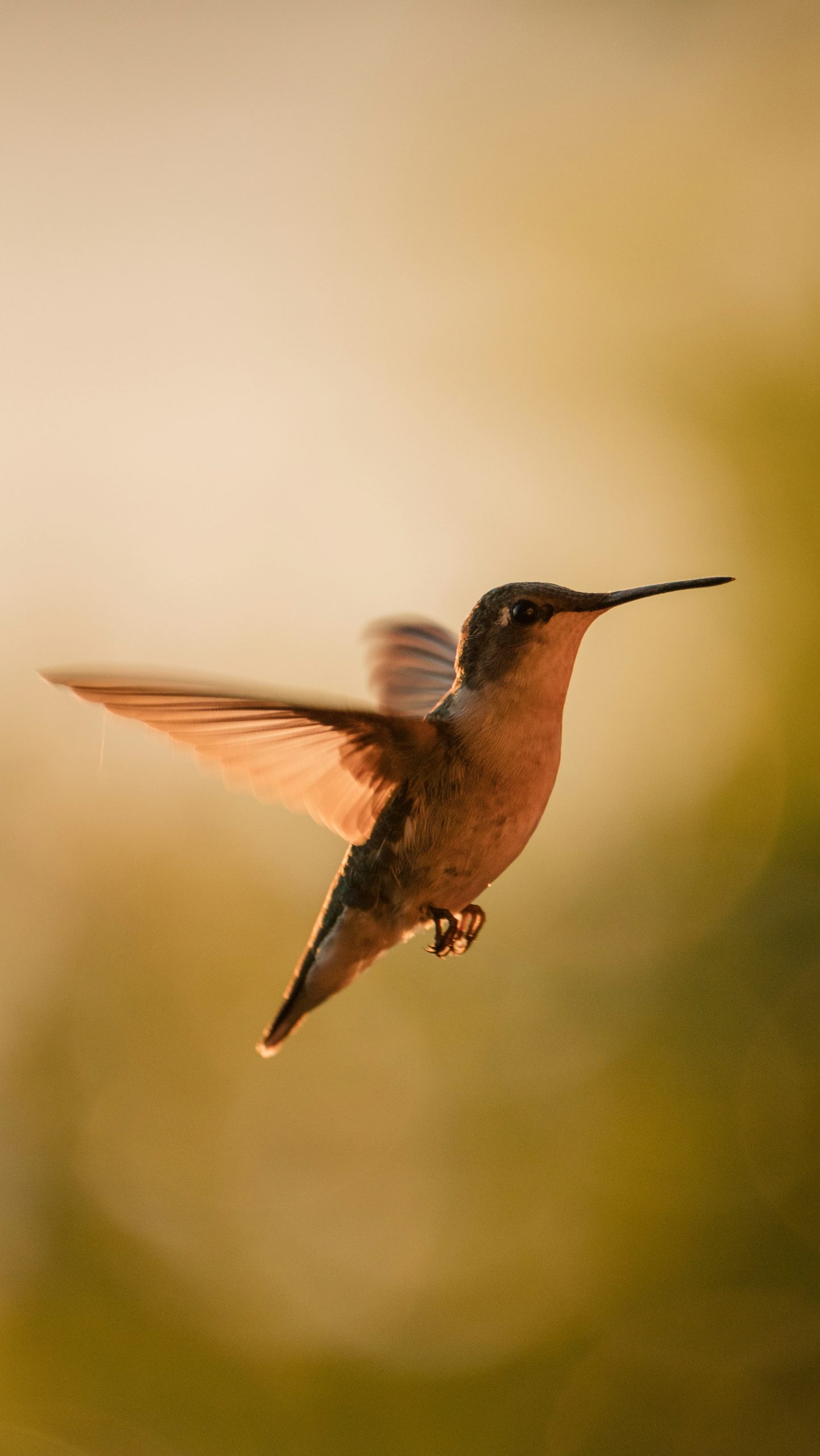
This summer there has been a hummingbird hovering outside the window where I write, at least I think it has been the same one, although who could really tell as the tiny bird comes and goes in an instant, never holding still for more than the brief time it takes to blink, fluttering in the air a few feet from where I sit and type, and I watch, fascinated, separated solely by a window and the almost bare branches of a struggling peach tree, the second one we have planted in the same place, and neither tree has thrived, neither tree has flourished, neither tree has spread its limbs out of the slender stick stage of new fruit trees, the awkward teenage stage of plants where a single peach can pull the tip towards the ground, but despite its lack of height, its lack of breadth, its lack of deep roots, still it offers a respite to a flickering hummingbird, offers blossoms in the spring where the small bird buzzes the branches, sipping from inside pink petals, or in the summer offers overipe fruit that glistens on the branch, the juices seeping from hail-bruised flesh and drawn-up long beaks as green feathers flash in a blur, or in the fall offers small insects and syrupy sap to be sipped from holes left behind by invasive peach borers before the hummingbird flits off over the top of the fence and out of sight.
This fall we cut down the tree, abandoned any hope of its eventual recovery from the invasive insects that had burrowed deep under the rough bark and made its fleshy interior their home, and I can’t help but mourn, not for the tree, for that is easily replaced, not for the loss of fruit, for it has never been bountiful in its offerings, no, I mourn instead the wonder that is the hummingbird, with its wings that beat almost a hundred times a second at a frequency so high that all we can hear with our flawed and human ears is static, or buzzing, or a muted murmuring drone and isn’t that a marvel? Isn’t that a delight? Doesn’t it make you stop and think about the tiny, but never trivial beauties of the world?
I have always noticed small things—tiny tufts of grass growing out of the cracks in the sidewalk, a single flower pushing through the hard-baked earth by the side of the road, the curls and curves of interesting clouds overhead, the flight of small birds, the feel of a dog’s silky ears under my hand, the laughter of the neighborhood children running up the broad sweep of a new path my husband has been building in the front yard, a sound full of joy and mischief, as if it is more than a walkway, more than a few feet of orderly flagstones and pebbles and carefully-poured curbing and is instead the passage to grand adventures and imaginary escapades, and in the noticing I find I remember when it was my own children whose laughter hung in the air, running barefoot the length of the street as they waved at neighbors and knocked on doors and found friends and asked people to come outside and play.
I have always noticed the small things, and I have to wonder if that is because I have never had very good eyesight and so I have had to focus very carefully on what is in front of me, squinting to make blurry shapes resolve into clear edged objects, or if it is because I began to write when I was young and writing requires attention—not the sort of attention that cries out for people to turn their eyes in one direction to obsess over an individual, but a kind of focused awareness that traces the shapes of things, that keeps beauty close, that sings devotion and adoration into the fresh air, that fills hearts and souls with the vibrant colors of a small bird hovering in the air with flashes of green and black and magenta and blue all blending into a watercolor sketch of movement and magic and memory.
I have always noticed the small things, and I wonder if that is an outgrowth of my journey as a mother, of my ability to hear a coughing child in the early hours of the still-dark night, or to hear the crash of tumbling teenagers as they trip and fall and get up again, or to hear the wobble in young adult voices when they call from wherever in the world their adventures have taken them and they tell me they are fine mom, I’m fine, I just….needed to hear your voice.
Noticing is a receiving—it is witnessing and enjoying and acting and holding close what we value. It is a gift of time—a slowing of the hours that we spend in building relationships with our families, our neighbors, our friends. Think of the way the long, dark days of winter seem to last longer, especially in places where the weather is frigid and freezing, where our normal activities are curtailed, where we find ourselves with long, cold hours unfilled—time we could choose to spend in witnessing the beauties of what we have inadvertently been given. Slow evenings. Long conversations. An intimacy built out of the necessity of keeping close and warm.
But if noticing is a receiving, it is also a giving—it is the undivided focus of being present, of the physical act of intertwining hands, of looking at someone and, perhaps, seeing them for who they really are. Noticing is an act of hope. An act of faith. An act of gratitude for the abundance of all the weird, strange, and wonderful things that surround us every moment of every day, and I have to wonder, why, when we have so much to be grateful for, we have let ourselves be satisfied by the momentary spark of consumerism or consumption or an acquisitive hunger that never feeds but only consumes—our time, our attention, and our resources, both large and small.
Why do we give in to that flicker of excitement we feel at pressing purchase now instead of looking for something more meaningful, something more fulfilling, something more interesting and humble and intriguing and merciful and lovely and fleeting and ordinary and human to give our attention to?
Why do we focus on finite resources, and ignore the abundance of all the delightful things to be had with no limits, no restraints, and no lonely echo of scarcity and lack and solitude, if we take the time to notice what they are?
Compassion. Empathy. Service. Laughter.
Love.
Why have we let ourselves be satisfied by faint flickering embers when there are the roaring flames of great bonfires to be had? How do we shift our focus from consuming to receiving, from being told what we lack to noticing what we have in great and abundant, overflowing measure?
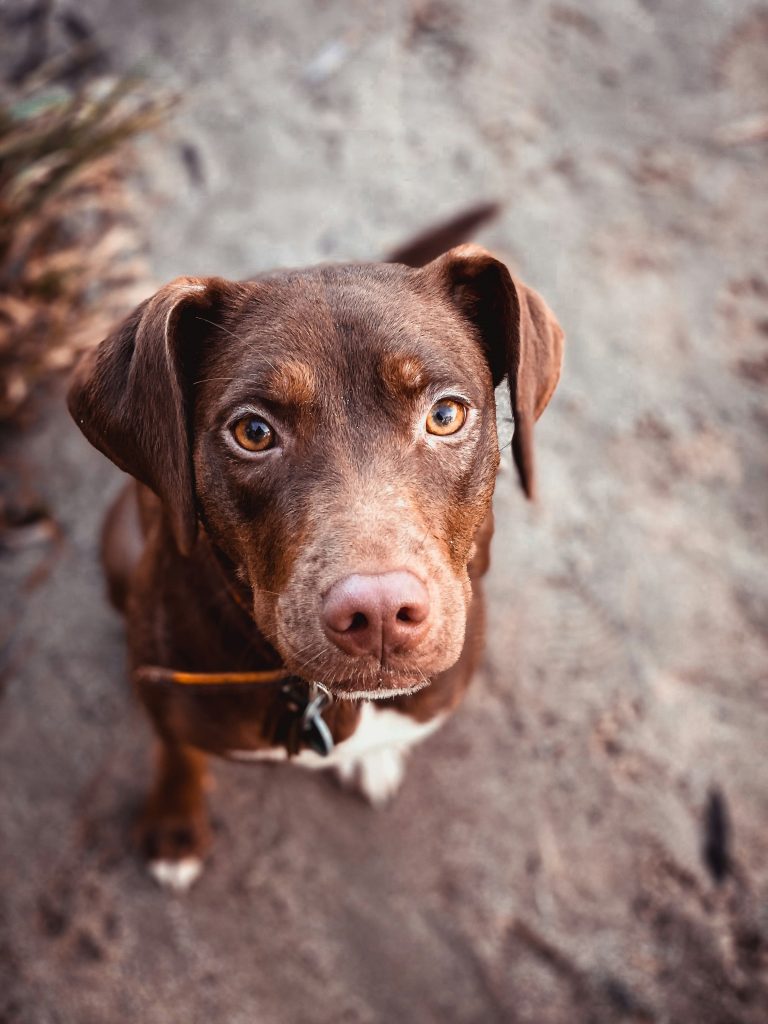
How do we remember to pause, and to breathe, and to take the time to see a hummingbird flying in the garden or a child playing in the yard or a dog with their head laid gently in our laps, asking for pets and treats and attention and love?
I believe in small changes and easy actions, so here is something I do that acts as a lens—a great magnifying glass to focus my noticing, my seeing, my attention.
I practice gratitude. Gratitude for the abundance of interesting and beautiful things I find myself surrounded by in my every day.
An incomplete and partial list:
The way light falls on the faces of my family in the twilight of winter evenings when the lamps are lit and the blankets are laid over the arms of chairs and the wind is howling outside the windows while we gather together in the lamplit dark.
The way our three dogs race over a packed dirt expanse towards a ball, and nose at it, and slobber over it, and carry it a few feet before dropping it in the dirt and coming to sit at my feet, panting, tongue out, eyes fixed on my face, silently asking me to throw the ball they have failed to fetch.
The way the sink looks after the dishes have been done and put away at the end of the evening and the inside of it scrubbed out and the dishrag set to dry—a signal that most of the labor of the day has drawn to a kind of close, at least until the next child to wander through the door cuts into a loaf of bread or fixes themselves a snack or gets a drink of water or soda or juice and leaves their dirtied dish in the recently-empty sink, for dishes are a sisyphean task that I like to think I would miss if my children were all gone but am pretty sure I would not.
The way my niece comes over to my house and immediately takes every pillow and blanket she can find (and my children will tell you there are a lot—too many probably, but it is my house not theirs and I love the warmth and comfort of a soft and cozy room) and the way she builds herself a fort or a fortification or a nest in the middle of the room, and we let her, for that is what aunts and uncles and cousins are for—to let you do the things that your mother will not allow, to sit with you in the middle of the house on top of a throne of pillows eating a delicious snack too close to bedtime like the spectacularly special human creature that you are.
We all have a list of things we love, things we are grateful for, things we find delightful or startling or lovely. All we need is the patience to notice them, the dedication to pay attention.
Attention is, after all, the first step towards developing an appreciation of the world—the people, the animals, the great vistas and the small domesticities. Attention teaches us what it is important to defend, what we need to speak for, and what we need to preserve.
Attention teaches us the language of looking— an alphabet made not of carefully-drawn letters in stark black ink winding across white paper, but of curiosity and love and concern, a language that helps us focus on the way we can be surrounded in happiness and gratitude and hope, even in the middle of trials and questionings and attempts to make the world a better place.
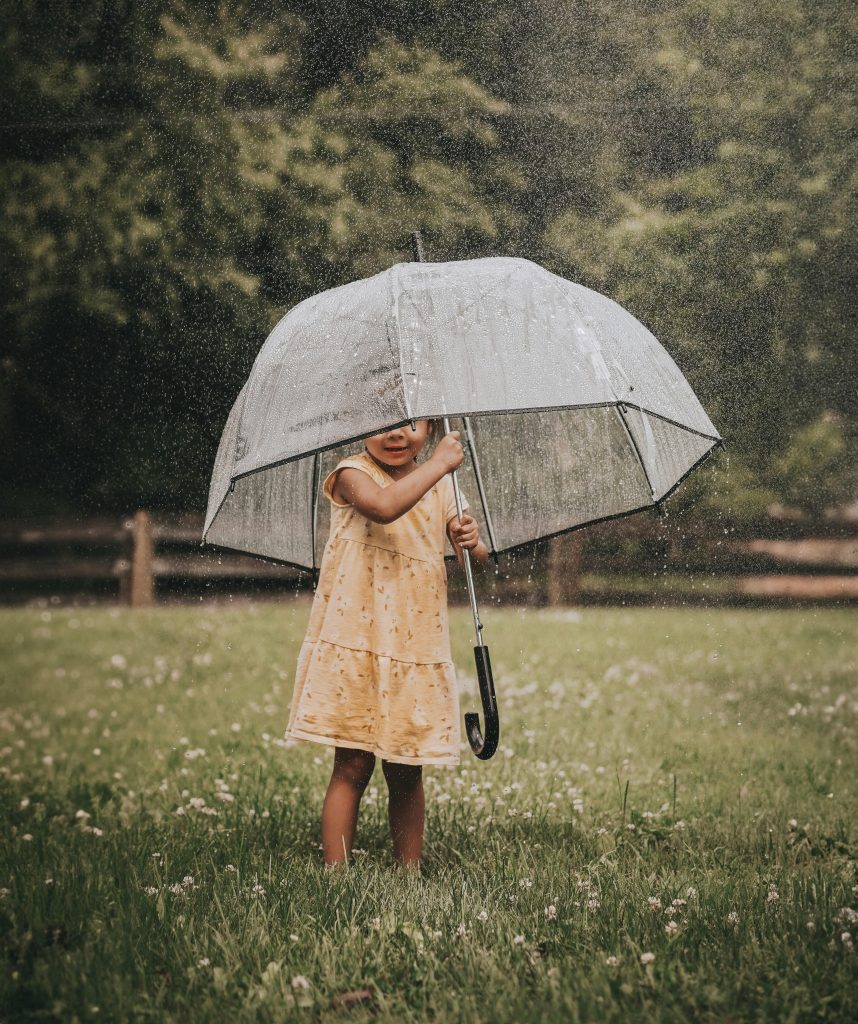
Attention shows us what we are here for, not profit or gain or ambition but the way shadows in an eclipse turn into tiny moons scattered across the landscape, or the way sun and rain and a patch of cloudy sky shatter together to create prisms and spectrums and parabola arcs of brightly colored light to lift the gloom of a stormy day, or, speaking of rain, to stand barefoot on wet pavement as the clouds burst overhead and feel the sky weep over the beauty of our lives, to see children carrying umbrellas at their sides with their faces upturned as they splash loudly through puddles and pools and pockets of wet with damp dogs at their side trailing mud in their wake.
Attention shifts our lives to the bounty of the world, to the creative possibilities inherent in witnessing and holding and building—it is far more than a simple and passive looking. It is active and alive—it is a focus. An act that runs like lightning down our veins when we really and truly connect—with each other, with the world, with small children and dogs and grandmothers and mothers and fathers and brothers and each individual we chance to come across as we live our wild and wandering lives.
After all, what could be more of a blessing than giving someone your undivided attention? What could be better than time spent with dogs and small humans? What could be better than seeing the hummingbirds zip past in great zagging arcs of color across the sky, or watching them hover among the blossoming branches of a peach tree in spring? What could be better than finding the holy in the abundance of the everyday?
Truly—what could be better than that?
Lead photo credit: Mark Olsen via Unsplash

Shelli is an advocacy writer and creative writing teacher. She loves to spend time with her husband (usually in the garden) and their four almost adult children. She also loves to sew (usually for the local community theater), to read, to write, and to drag her family outside to look at the sky. Shelli is passionate about poetry, Broadway show tunes, and telling stories -- of ourselves, our families, and our communities.
View Author PageStay Inspired
Join Our Newsletter Journey
Dive deeper into the world of Big Ocean Women. By subscribing to our newsletter, you'll receive a monthly dose of empowering stories, insightful articles, and the latest news from our global sisterhood. Don't miss out on the wave of inspiration – subscribe now and be part of our ever-growing community.