
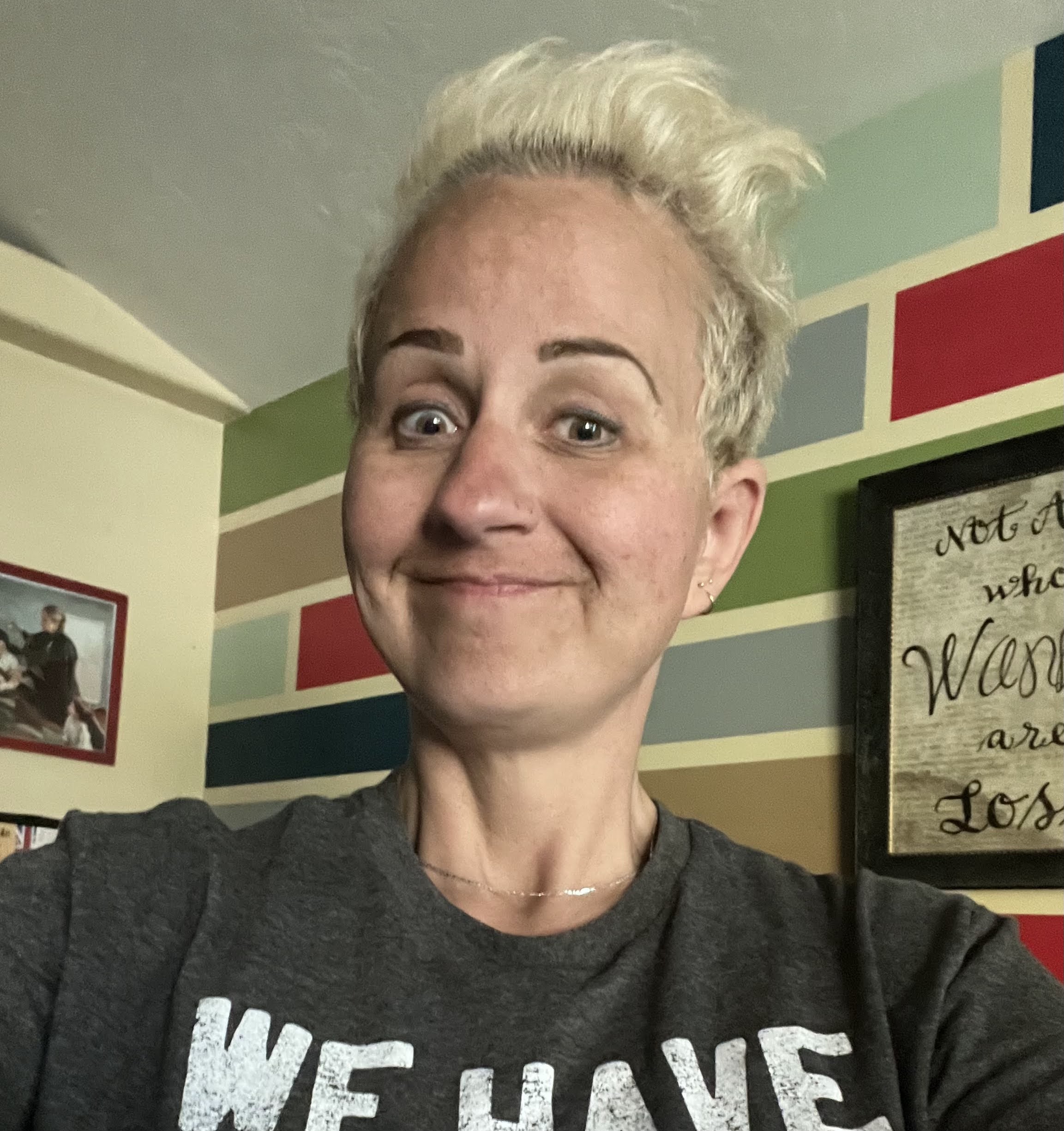
This above all: to thine own self be true,
And it must follow, as the night the day,
Thou canst not then be false to any man.
-Polonius in Hamlet (Act 1, Scene 3)
If I had considered this idea in the past, I would have said that God gave me gifts he didn’t give anyone else. I assumed that addressing my needs and being unique meant God offered me the blessing to receive revelation as it pertained to my life. Still, those revelations often had little to do with me and my efforts to recognize my innate worth. Instead, it was how I could best make my needs compatible with those of my family and friends, or help me to accept how the choices of others affected me. For most of my life, Shakespeare’s words “to thine own self be true,” meant I should have the courage to stand for my conviction, so that I might inspire others. In short, my view of self depended on others’ view of me; this completely informed my view of my unique and individual worth.
A noticeable shift occurred in my life shortly after my mother passed from lung cancer in 2019, and the COVID-19 pandemic shut down the world in 2020. During this time, I started recognizing and openly questioning my efforts to be true to myself. Like so many others, I felt alone, unable to reach outside the walls of my home for the recognition and respect I had received from friends and community members when my four children and husband didn’t, couldn’t, or just plain wouldn’t meet my needs. It was tough because, in so many past instances, my mom had been my main cheerleader. I wasn’t feeling any of that now. I had withdrawn and isolated myself to the point that my relationships with my kids had become distant. I felt daily a painful sense of shame that I had let all of them down. My relationship with my husband was more tense than ever, and I feared we’d become a statistic as we neared our empty nest. I was seeking a master’s degree in a field I loved, but with people around whom I felt inadequate. I was out of practice as a student, a very amateur historian, and I did not have any of the professional experience many of my peers did. How was I worthy of anyone’s respect, especially my own?
Through a series of events, I found myself at a crossroads. I could continue following the path trod by so many before me, feeling marginally satisfied with my life, being disappointed and upset by my personal relationships, or I could make a change… it was within my power. To switch courses, however, I needed to examine myself, my self-esteem and confront the belief that I wasn’t worth much by just existing, that I had to do something to prove my worthiness. Working with a new therapist, I started asking hard questions; what does being true to myself mean? Who was I, and what did I want out of life?
Middle age is a time of transition for everyone, but especially for women. There are physical and emotional changes controlled by biology, and there are spiritual and relationship issues which can be personal or driven by external factors and the actions of others. The most challenging change for me has been to see myself for who I am.
Starting my journey of self-discovery, I was diagnosed with ADHD – at age 48! So many of the shortcomings and failings I felt were heavily influenced by factors I couldn’t control. Looking at my history, I saw how many of these behaviors influenced my learning and how people interacted with me and taught me. I developed critical beliefs about myself based on a social system I wasn’t equipped for. I learned what was right and wrong, what was appropriate, and what I needed to do to fix myself, based on a one-size-fits-all philosophy. My diagnosis helped me understand why I continually questioned my choices and my relationships.
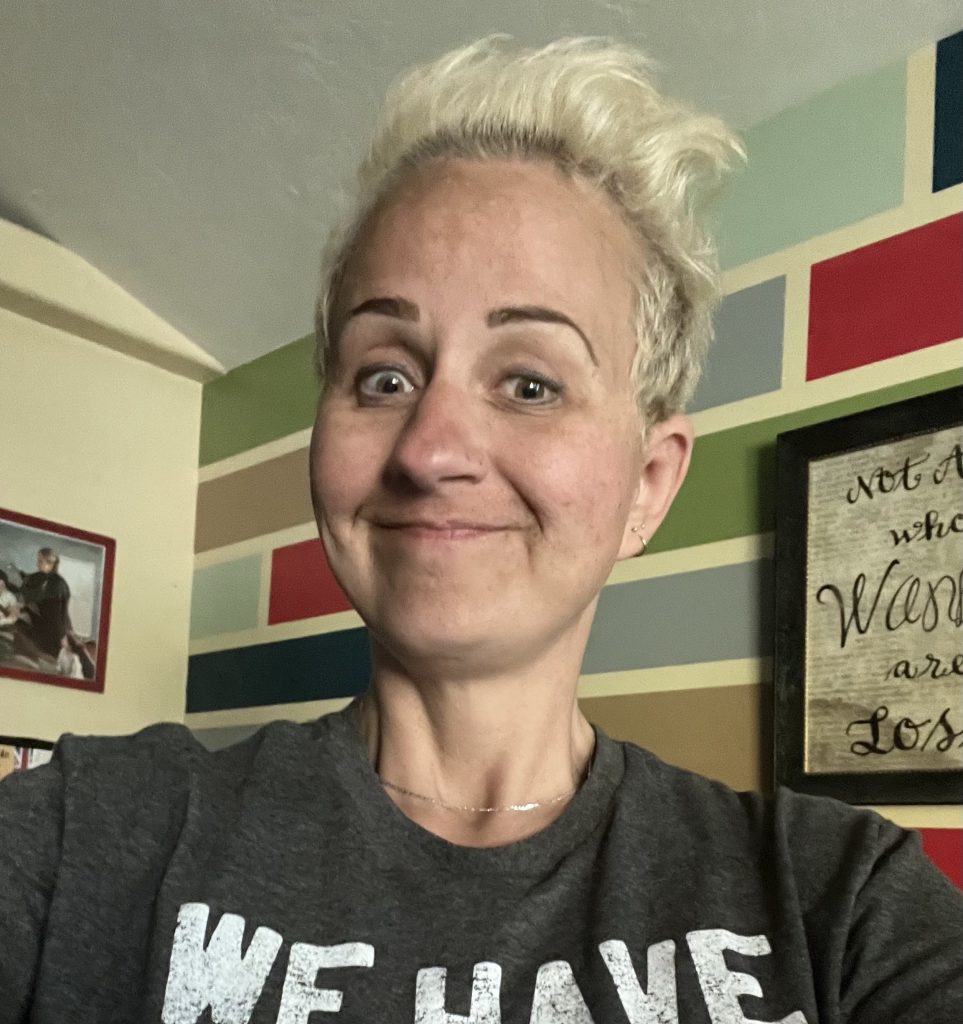
Looking at my raw self was hard, but I saw positive changes with time. The negative thoughts that had lived in my head for years started to leave, replaced with actual facts.
A fact is a statement that can be proven beyond any doubt. Facts are objective, meaning the veracity is independent of anyone’s perception or beliefs. They can be verified and supported with indisputable evidence. (Mayers, 2025)
I saw for the first time that I was not responsible for anyone’s feelings but my own; I didn’t need to continually apologize for others’ unhappiness. I knew I was smart and capable of solving my problems, sometimes needing to learn lessons before proceeding to my solutions. I discovered I had created a world where I wanted everyone to depend on me, but I couldn’t or wouldn’t depend on anyone for the really hard stuff. It has taken many months of practice to know that my actions are true to myself, not just the version of myself that everyone sees; this truth “must follow as the night, the day.”
On the Big Ocean Women website, there are several questions about Tenet 6 to consider. As women, we are first asked to consider a woman we know and then encouraged to ask the same questions about ourselves. This was a big eye-opener for me because I struggled more than I should have to shift from seeing others as worthy of respect to seeing myself as worthy of respect. Let me share a few of my hard-won answers with you.
- What is something she is good at? I am much better than I used to be at recognizing the power and worth of the individual. By learning to value these qualities in myself, I now devote more time and attention to noticing them in others. My approach is different now: I seek understanding because I spent so many years trying to get my loved ones to understand me. By looking outward, I had ignored my feelings and actions and did not create space for the uniqueness of those around me. I strive daily for better balance.
- What is something you admire about her? I admire my increasing ability to laugh at myself, or at least not take myself so seriously. I don’t have all the answers or a perfect understanding of the world. I only have myself on any given day, and I reassure myself that mistakes and setbacks are part of a well-lived life. These teaching moments come to us, so we continue learning, growing, and becoming our best selves. They do not, as I used to believe, define and doom us to history as utter failures.
- If you could wish one good thing for her, what would it be? I wish to be open and honest in my relationships with myself and my loved ones. I want to build on my now stronger foundation, allowing my mental health and well-being to remain at the center of my relationships and the choices I make about my life.
- In what ways can you support and encourage her every day? Although it is hard, my daily encouragement comes in the form of healthy sleeping habits, daily intentional planning, and the practice of meditation. I encourage myself to try new things and strengthen relationships with those I love most. I remind myself often that esteeming myself grants me the privilege of esteeming others. Feeling good about my role in relationships and showing others the best parts of myself, as established authentically by me, makes space for them to be their best selves. I want to honor and nurture that growth.
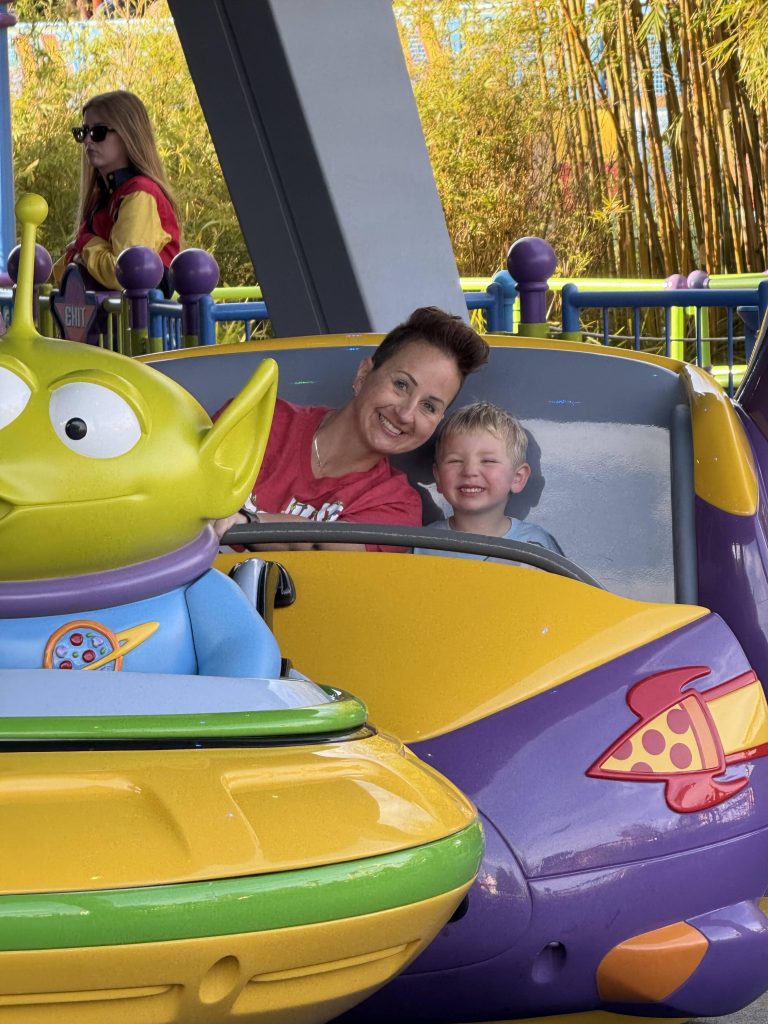
This exercise, like many others, has been a learning experience over the last two years. Life has been exhilarating, and crushing at points along the way; I have more often felt defeat at the end of my days than victory. I have learned more about myself than I ever thought possible and don’t plan to stop any time soon. Rediscovering and developing a sense of self on the back side of middle age is not for the faint of heart. I am a work in progress and grateful for the mind and body that continue the work moving forward.
In Hamlet, Shakespeare’s Polonius finishes this famous passage by remarking, “thou canst not then be false to any man.” I am unique and innately worthy of respect. Learning this lesson gives me the strength to stand true.

Rebekah Pierce grew up as the loud, outspoken child of quiet, reserved parents. She has never been one to shy away from a conversation, controversial or otherwise, and enjoys listening to and learning about different opinions. It took her awhile to figure out that she could learn more by listening than by talking and that being right is not always the most favorable outcome. As she has aged, hopefully she has gained a modicum of wisdom that will someday be of use to someone; otherwise, she sees herself with a second career writing greeting cards for Hallmark. Rebekah fancies herself to be a defender of social justice around the world and will work tirelessly to convince the world that “All We Need is Love”… and maybe a Diet Coke. In all seriousness, she values her commitment to raising strong, principled and kind humans and is the mother to four, wonderful children (and one most excellent son-in-law.) She was lucky enough to meet the love of her life in high school and despite the fact that they fully recognize how boring they have become in their maturing years, the life they’ve built and the journey they are on is one that she always has a “go-bag” packed for. The world is a big place and we are small people…. but even small people can bring about big change.
View Author PageStay Inspired
Join Our Newsletter Journey
Dive deeper into the world of Big Ocean Women. By subscribing to our newsletter, you'll receive a monthly dose of empowering stories, insightful articles, and the latest news from our global sisterhood. Don't miss out on the wave of inspiration – subscribe now and be part of our ever-growing community.