
A Field Guide to Funerals and other Family Functions (English and Spanish)
We are braver and wiser because they existed, those strong women and strong men…We are who we are because they were who they were. It’s wise to know where you come from, who called your name—Maya Angelou
Unless you’ve lived an exceptionally fortunate life—or possibly an exceptionally isolated one—you have probably attended a funeral or two. You have probably sat in the hard wood pews of the congregational seating at some old community church or in the rows of padded seats at a local funeral home, or even possibly on the old creaky metal folding chairs set out on the uneven grass at a graveside in some cemetery somewhere, sometime. You have probably listened to family and friends speak, have sung the half-remembered hymns, have stood and watched pallbearers walk by, each one just slightly out of step with the next, their wilted flower boutonnieres pinned slightly crooked on their thin white dress shirts.
A funeral is many things. It is an unavoidable part of life—a ceremonial kind of parting, a farewell to those we lose. It can feel very final. But it can also be a celebration. It can be a grieving, and it can also be a party. It is, I think, a type of song sung for those who remain, a melody in counterpoint, a cadence of goodbyes that echo long after the dead are gone.
It is a connection. To the past, yes. But also to the future.
Funerals are just as much a part of our lives as birthdays and anniversaries, as baptisms and christenings and weddings, one of so many gatherings for people who call themselves family to attend and to renew our sometimes lapsed acquaintanceship, for life is long and living is busy and so often we find that too much time has passed since we last saw that one cousin, you know, the one who left after high school to go to college, or to join the Marines, or to join the circus, or to simply wander and explore the boundaries of our mutual world. It has been too long since the aunts gathered to one side, sharing news and updates and ‘did you knows’ with one another, too long since the younger generation sat side by side whispering gossip and giggling under our breath as a preacher or minister or family patriarch stood and talked for far longer than was needed, it has been too long since we have renewed the bonds of chance and circumstance that created us a family, whether we wanted to be or not. A funeral is often one of those infrequent events that gathers relations from all geographic points on the wide map of our world, called together to focus on the departed one final time.
I have been to many funerals, which is simply a part of life once you have existed, as I have, for almost five decades on this earth. Most of them were for family; great grandparents, grandparents. In-laws. A few friends. My mother. The last, just a few weeks ago, for my last surviving grandmother—she was over 100 years old, and cranky with the weight of it, eager, as she told my sister a few days before she died, to “just be done with it already and move on to something new.”
There is a rhythm to these things—a pattern. A well-worn script with expected lines and threadbare costumes, aging props and refreshments in the echoing church hall afterwards.
There are the flowers. Lilies and orchids and gladioli and palm leaves and baby’s breath and carnations and roses, all in bright colors and fragrant scents that remind me of the perfume my grandmother spritzed over her hair in between weekly visits to the neighborhood salon in order to ‘keep it fresh.’
There is the music. Favorite congregational hymns and out of tune family performances, and cousins who once sang at the county fair or played for the high school orchestra, and one time, memorably, there was a recording of Elvis crooning from an old battered tape deck held up to the microphone.
There is the food. In this a funeral is not much different from any family gathering, for there is always food, at funerals, at weddings, at birthday parties and baby showers and anniversaries and hot summer days in the yard or the park, formal and informal gatherings where the children run screaming through the crowd, upsetting the peace and a handful of paper plates that tip under the weight of barbecue and buns and chips and salad, there is always salad, fruit salad, potato salad, pasta salad, frog’s eye salad (which despite the name is not made of of either frogs or eyes), cabbage salad, jello salad, desert salad—more candied fruit and marshmallow and whipped cream than salad, a favorite midwest specialty—and lettuce salad which is always made and seldom eaten. There are usually potatoes. A wealth of 9×13 sized dishes simply termed ‘funeral potatoes,’ each one different, most of them made from the secret family recipe someone’s mother once copied from the back of a can of soup.
And there are the people. People who look familiar, people with the same hair or the same smile or a similar slope to their nose or an identical cleft in their chin, people who share your genes if not your dreams, and people who you may never have met if life had not decided to manage it for you.
The room was full at my grandmother’s funeral, which surprised me, although it probably should not have been surprising at all—she had lived in the same house in the same neighborhood, in the same town for more than 30 years, a town just a few short miles from the smaller town where she had been born a century ago. The room was full and I looked around and realized that in a very real way the landscape of my youth was made not of walls and floors and faded furniture, but the faces that surrounded me, each one older than I remembered, more lined and weathered and aged.
I looked around and found the uncle who raised Brittany spaniels, who grew corn and squash and beans, who made the very best burritos with spicy meat and crisp veggies from his garden and salsa made by hand in a cramped kitchen with linoleum floors and Formica counters and the memories of laughter drifting on the air like the sound of the train that ran behind their yard, an unforgettable soundtrack I forgot to miss.
I saw the cousins who introduced me to country music on a long drive through brightly colored trees one late fall day over three decades ago, in an old beat up car with the windows down and the air blowing in a little cold. I caught a glimpse of one cousin in the kitchen before the service, a cousin who used to cater, used to make almond flour tortes and great english trifles and delicate pastries I had never imagined, and I realized she was just ‘checking in,’ just making sure everything went smoothly, just adding her touch, her special flair.
I shook hands with another cousin, once or twice or three times removed, I can never remember, except that she is was really the cousin of my grandfather, an old woman herself at 101 with a purple turban wrapped around her head where she had lost most of her hair but her steps were sure and precise and steady as she greeted the gathered, and in her presence I could not help but come to think of funerals as touchpoints, as webs or ribbons or roots that connect us each to the widespread branches of far flung family, a grounding, a link, or maybe the chain to an old battered pocket watch that stretches across time, and I wonder what the world looked like a hundred years ago in the year my grandmother was born, or what it will look like a hundred years from now.
There is a photo that pops up occasionally in my house, an old, glossy 3×5 with battered edges and a crease down one side, a photo that has been used as a placeholder, pressed between the pages of a book, then tossed in a drawer, then sorted into a pile of ‘important things,’ and it never quite seems to make it into a frame or an album. It is a photo from more than twenty-five years ago, and I am far younger in it, with long, dark, curly hair that was replaced by a short, practical style in my first year of grad school, and unlined skin that has long since softened into wrinkles around my eyes, and in the photo I am holding my oldest daughter as a tiny, round cheeked baby in a long lacy dress with my mother on one side and my grandmother on the other. It was taken sometime in the spring, I know that, sometime after the snow had melted but before the yellow buds of forsythia had bloomed in our tiny garden, but the exact date is not recorded, simply marked by the size of the baby in my arms who was no longer a red-faced newborn, but still small, still delicate sitting cradled in my lap all those many years ago, and I find I am fascinated by this picture taken the year my daughter was born, the oldest daughter of an oldest daughter as we faced the camera with practiced smiles, my mother, my grandmother, my daughter, and I, four generations standing together on the day my daughter was blessed, four generations all dressed in their Sunday best.
Four generations.
It feels like a very long time, doesn’t it?
Maybe that is what fascinates me about funerals. About all family gatherings really. The passage of time—after all, it is a truth that the only thing that stays the same is the way we seem to change. But that’s family, isn’t it?
After all, family is not an event. It is not a perfect product or a polished portrait. It is a practice. A procedure. A process.
A family is a map, a path, a memory of a journey that we carry with us out into the world when we venture away from the safety of home. It is a fumbling, stumbling start and stop endeavor where we learn through trial and error. An ‘I remember when,’ and ‘do you recall,’ and ‘did you hear,’ of conversations about things that happened a week ago, two weeks, a year, a decade, and maybe even a century ago—a century of family and memories and music and flowers and food.
Family is never finished.
And isn’t that a wonder? Isn’t that exceptional? Isn’t that something worth celebrating?
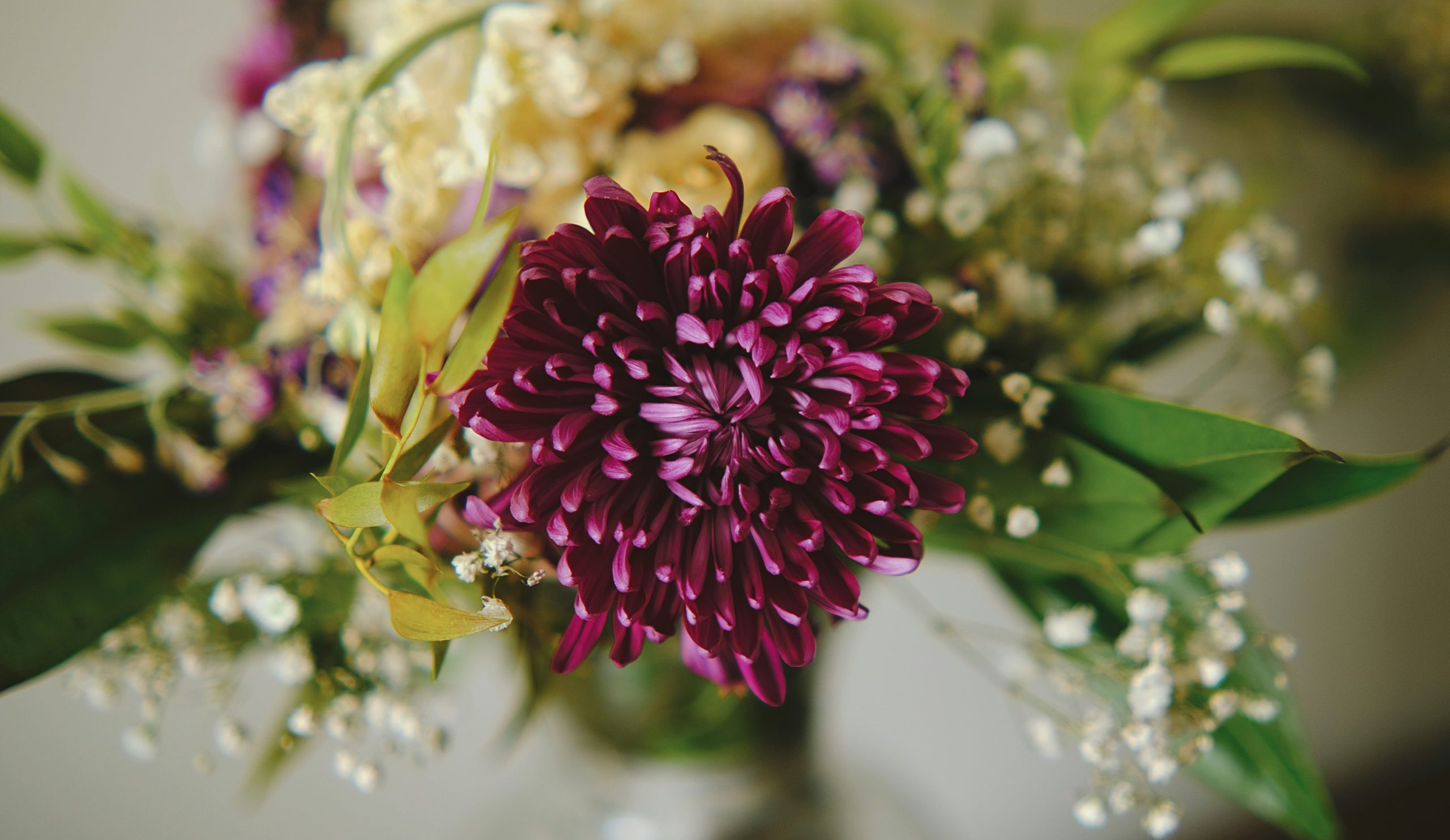
Lead photo credit: Shane Rounce via Unsplash
En Español:
Guía de campo para funerales y otras funciones familiares
Traducido por Jessica Yanez Barker
Somos más valientes y sabios porque ellos existieron, aquellas mujeres y hombres fuertes… Somos quienes somos porque ellos fueron quienes fueron. Es sabio saber de dónde vienes, quién pronunció tu nombre. —Maya Angelou
A menos que hayas vivido una vida excepcionalmente afortunada—o posiblemente una excepcionalmente aislada—probablemente has asistido a uno o dos funerales. Probablemente te has sentado en los bancos duros de madera de alguna iglesia comunitaria, o en las filas de asientos acolchados en una funeraria local, o incluso en las viejas sillas metálicas crujientes colocadas sobre el pasto irregular junto a una tumba, en algún cementerio, en algún lugar, alguna vez. Probablemente escuchaste hablar a familiares y amigos, cantaste himnos medio recordados, te pusiste de pie y observaste a los portadores del féretro pasar, cada uno apenas fuera de ritmo con respecto al siguiente, con sus botones de flores marchitos prendidos algo torcidos en sus delgadas camisas blancas.
Un funeral es muchas cosas. Es una parte inevitable de la vida—una especie de despedida ceremonial, un adiós a quienes perdemos. Puede sentirse muy definitivo. Pero también puede ser una celebración. Puede ser un duelo, y también puede ser una fiesta. Es, creo yo, una especie de canción cantada para los que permanecen, una melodía en contrapunto, una cadencia de despedidas que resuenan mucho tiempo después de que los muertos se han ido.
Es una conexión. Con el pasado, sí. Pero también con el futuro.
Los funerales son tan parte de nuestras vidas como los cumpleaños y aniversarios, como los bautizos y bodas, una de tantas reuniones a las que asisten quienes se llaman familia y donde renovamos una relación a veces olvidada. Porque la vida es larga y el vivir es ocupado, y con frecuencia descubrimos que ha pasado demasiado tiempo desde que vimos a aquel primo—sí, ese que se fue después del bachillerato para ir a la universidad, o para unirse a los marines, o al circo, o simplemente para vagar y explorar los límites de nuestro mundo compartido. Ha pasado demasiado tiempo desde que las tías se reunieron a un costado, compartiendo noticias, novedades y “¿sabías que…?” entre ellas; demasiado tiempo desde que la generación más joven se sentó lado a lado susurrando chismes y riendo entre dientes mientras el predicador, ministro o patriarca familiar hablaba mucho más tiempo del necesario. Ha pasado demasiado tiempo desde que renovamos los lazos de la casualidad y la circunstancia que nos formaron como familia, lo deseáramos o no. Un funeral suele ser uno de esos eventos poco frecuentes que reúne a parientes de todos los rincones del mundo, convocados para centrar la atención, una última vez, en quien partió.
He asistido a muchos funerales, lo cual simplemente es parte de la vida una vez que has existido, como yo, por casi cinco décadas en esta tierra. La mayoría fueron de familiares: bisabuelos, abuelos, suegros. Algunos amigos. Mi madre. El más reciente, hace solo unas semanas, fue el de mi última abuela sobreviviente—tenía más de 100 años, y estaba fastidiada por el peso de todo ello, ansiosa, como le dijo a mi hermana unos días antes de morir, de “simplemente terminar con esto de una vez y pasar a algo nuevo”.
Hay un ritmo en estas cosas—un patrón. Un guion desgastado con líneas esperadas y trajes raídos, utilería envejecida y refrigerios en el salón de la iglesia que resuena después.
Están las flores. Lirios, orquídeas, gladiolos, hojas de palma, nube, claveles y rosas, todos en colores brillantes y aromas fragantes que me recuerdan al perfume que mi abuela rociaba sobre su cabello entre sus visitas semanales al salón del barrio para “mantenerlo fresco”.
Está la música. Himnos congregacionales favoritos y presentaciones familiares desafinadas, y primos que alguna vez cantaron en la feria del condado o tocaron en la orquesta del instituto, y una vez, memorablemente, hubo una grabación de Elvis cantando desde una vieja grabadora desgastada sostenida junto al micrófono.
Está la comida. En esto, un funeral no es muy diferente de cualquier reunión familiar, porque siempre hay comida: en funerales, en bodas, en fiestas de cumpleaños y baby showers, en aniversarios y días calurosos de verano en el jardín o el parque. Reuniones formales e informales donde los niños corren gritando entre la multitud, alterando la paz y haciendo tambalear platos de papel bajo el peso de barbacoa, panecillos, papas fritas y ensalada. Siempre hay ensalada: ensalada de frutas, de papa, de pasta, “ensalada ojo de rana” (que, a pesar del nombre, no contiene ni ranas ni ojos), ensalada de col, de gelatina, de postre—más frutas confitadas, malvaviscos y crema batida que ensalada, una especialidad favorita del medio oeste—y ensalada de lechuga que siempre se prepara y rara vez se come. Normalmente hay papas. Una abundancia de platillos del tamaño 23×33 cm simplemente llamados “papas de funeral”, cada uno diferente, la mayoría hechos a partir de la receta familiar secreta que alguna madre copió alguna vez del dorso de una lata de sopa.
Y están las personas. Personas que se ven familiares, personas con el mismo cabello o la misma sonrisa o una inclinación similar en la nariz o una hendidura idéntica en la barbilla. Personas que comparten tus genes, aunque no tus sueños. Personas que quizás nunca habrías conocido si la vida no se hubiera encargado de cruzar sus caminos contigo.
La sala estaba llena en el funeral de mi abuela, lo cual me sorprendió, aunque probablemente no debería haberme sorprendido en absoluto—había vivido en la misma casa, en el mismo vecindario, en el mismo pueblo por más de 30 años, a solo unos kilómetros del pequeño pueblo donde nació hace un siglo. La sala estaba llena y miré alrededor y me di cuenta de que, en un sentido muy real, el paisaje de mi juventud no estaba compuesto de paredes, pisos y muebles desgastados, sino de los rostros que me rodeaban, cada uno más viejo de lo que recordaba, más marcado, más envejecido.
Miré a mi alrededor y encontré al tío que criaba spaniels bretones, que cultivaba maíz, calabaza y frijoles, que hacía los mejores burritos con carne picante y verduras crujientes de su jardín, y salsa preparada a mano en una cocina estrecha con suelo de linóleo y encimeras de formica, con recuerdos de risas flotando en el aire como el sonido del tren que pasaba detrás de su patio—una banda sonora inolvidable que había olvidado extrañar.
Vi a los primos que me introdujeron a la música country en un viaje largo, conduciendo por paisajes de árboles de colores brillantes, una tarde de otoño hace más de treinta años, en un auto viejo con las ventanas abajo y el aire entrando un poco frío. Alcancé a ver a una prima en la cocina antes del servicio, una prima que solía trabajar en catering, que solía hacer tortas de harina de almendra, grandes trifles ingleses y delicados pasteles que nunca imaginé. Y me di cuenta de que solo estaba “revisando”, asegurándose de que todo transcurriera sin contratiempos, agregando su toque, su estilo especial.
Estreché la mano de otra prima, de primero, segundo o tercer grado, nunca lo recuerdo, excepto que en realidad era prima de mi abuelo, una anciana de 101 años con un turbante morado envuelto en su cabeza, donde ya había perdido la mayor parte de su cabello, pero sus pasos eran seguros, precisos y firmes mientras saludaba a los presentes. Y en su presencia no pude evitar pensar en los funerales como puntos de conexión, como redes, cintas o raíces que nos vinculan a todos con las ramas extendidas de una familia dispersa. Un arraigo, un lazo, o quizá la cadena de un viejo reloj de bolsillo desgastado que se extiende a través del tiempo. Y me pregunto cómo era el mundo hace cien años, el año en que nació mi abuela, o cómo será dentro de cien años.
Hay una foto que aparece de vez en cuando en mi casa, una antigua imagen brillante de 9×13 cm con bordes desgastados y una arruga en un lado. Una foto que ha sido utilizada como marcador, apretada entre las páginas de un libro, luego arrojada a un cajón, luego agrupada en un montón de “cosas importantes”, y que nunca parece llegar del todo a un marco ni a un álbum.
Es una foto de hace más de veinticinco años, y en ella aparezco mucho más joven, con el cabello largo, oscuro y rizado, que luego fue reemplazado por un corte corto y práctico en mi primer año de posgrado. Mi piel, entonces sin arrugas, desde hace tiempo se ha suavizado en líneas alrededor de mis ojos. Y en la foto estoy sosteniendo a mi hija mayor, un bebé pequeño de mejillas redondas vestida con un largo vestido de encaje, con mi madre a un lado y mi abuela al otro.
Fue tomada en algún momento de la primavera, lo sé, después de que la nieve se derritiera pero antes de que los brotes amarillos de forsitia florecieran en nuestro pequeño jardín. La fecha exacta no está registrada, solo marcada por el tamaño del bebé en mis brazos, que ya no era una recién nacida de rostro enrojecido, pero seguía siendo pequeña, aún delicada, acurrucada en mi regazo todos esos años atrás.
Y me fascina esa foto tomada el año en que nació mi hija, la hija mayor de una hija mayor, mientras posábamos frente a la cámara con sonrisas ensayadas: mi madre, mi abuela, mi hija y yo. Cuatro generaciones juntas el día en que mi hija fue bendecida, cuatro generaciones vestidas con sus mejores galas dominicales.
Cuatro generaciones.
Parece que ha pasado muchísimo tiempo, ¿verdad?
Tal vez eso es lo que me fascina de los funerales. De todas las reuniones familiares, realmente. El paso del tiempo—después de todo, es cierto que lo único que permanece igual es la forma en que parecemos cambiar. Pero eso es la familia, ¿no?
Después de todo, la familia no es un evento. No es un producto perfecto ni un retrato pulido. Es una práctica. Un procedimiento. Un proceso.
Una familia es un mapa, un camino, un recuerdo de un viaje que llevamos con nosotros al salir al mundo, cuando nos aventuramos lejos de la seguridad del hogar. Es un esfuerzo torpe, errático, de avances y retrocesos en el que aprendemos por ensayo y error. Es un “me acuerdo cuando…”, un “¿te acuerdas?”, y un “¿te enteraste?” de conversaciones sobre cosas que pasaron hace una semana, dos semanas, un año, una década, o quizás hace un siglo—un siglo de familia, recuerdos, música, flores y comida.
La familia nunca está terminada.
Y ¿no es eso una maravilla? ¿No es eso algo excepcional? ¿No es eso algo digno de celebrar?

Shelli is an advocacy writer and creative writing teacher. She loves to spend time with her husband (usually in the garden) and their four almost adult children. She also loves to sew (usually for the local community theater), to read, to write, and to drag her family outside to look at the sky. Shelli is passionate about poetry, Broadway show tunes, and telling stories -- of ourselves, our families, and our communities.
View Author PageStay Inspired
Join Our Newsletter Journey
Dive deeper into the world of Big Ocean Women. By subscribing to our newsletter, you'll receive a monthly dose of empowering stories, insightful articles, and the latest news from our global sisterhood. Don't miss out on the wave of inspiration – subscribe now and be part of our ever-growing community.