
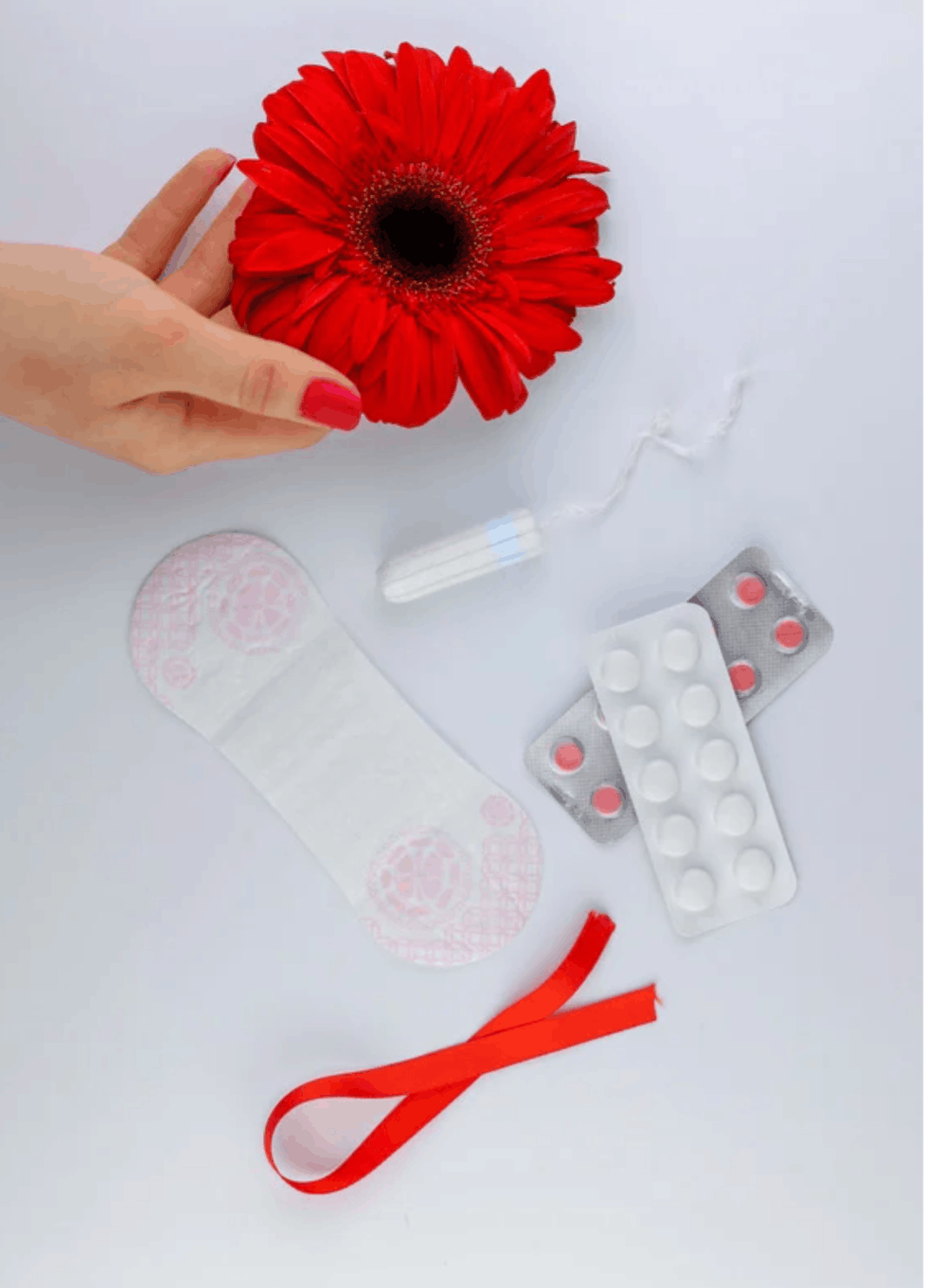
Let’s Talk About Periods: Helping Our Girls Feel Ready, Not Scared (English & Spanish)
Lead Photo Credit: Yunustug via Canva
This month’s tenet highlights the importance of understanding and honoring our feminine biology, including the natural rhythms of menstruation. For many girls, their first period can feel overwhelming if they aren’t prepared. As I reflected on this tenet while preparing to write, I couldn’t help but think back to my own first experience with menstruation — a moment that shaped the way I hope to guide my daughter through hers.
I remember it vividly. I was eleven years old when my period arrived for the first time. My mom had talked to me about it beforehand, and I had seen pads and hygiene products around the house, but nothing quite prepares you for the moment it actually happens.
I was on a school field trip when I went to the bathroom and noticed a stain. For a moment, I panicked. I remembered what my mom had taught me, but I still didn’t know what to do next. I didn’t tell my teacher. I didn’t ask for help. Instead, I waited quietly until it was time to go home.
The whole way back, I was terrified that someone would notice. I worried people could smell it, or that they were staring at me because they somehow knew. Even though no one said anything, I felt exposed and alone in a way I had never felt before.
When I finally got home and told my mom, she celebrated with me. She welcomed me into this new stage of life with warmth and reassurance, handed me a pad, and helped me feel safe again. That moment of comfort stayed with me — but so did the fear I felt earlier that day.
Looking back, there are so many things I wish I had known. I wish I had understood that I didn’t have to go through it alone. I wish I had known that I could tell my teacher — that she likely would have helped me, offered me a pad, and reassured me long before I made it home. Maybe if I had known that, I wouldn’t have spent the entire trip feeling terrified, convinced that everyone could see or smell something, or that they somehow knew my secret. That fear stayed with me far longer than the moment itself.
Because of that experience, I want something different for my daughter. I want her to know that menstruation is nothing to hide or fear. I want her to feel confident speaking up, asking for help, and trusting the adults around her. I want her to understand that her body is doing exactly what it was designed to do — and that there is no shame in that.
I’m grateful that today we have so many resources to help us guide our daughters with clarity and confidence. Health educators emphasize that one of the most important things we can do is start talking about menstruation early — long before the first period arrives. When girls understand what’s happening in their bodies, they’re far less likely to feel afraid or caught off guard.
Experts also encourage parents to explain the basics in simple, reassuring terms: that menstruation is a normal part of growing up, that it’s a sign of a healthy reproductive system, and that every girl’s cycle is different. Most importantly, they remind us that our attitude sets the tone. When we speak about menstruation with calmness and respect, our daughters learn to see it as a normal, healthy part of life — not something to hide or fear.
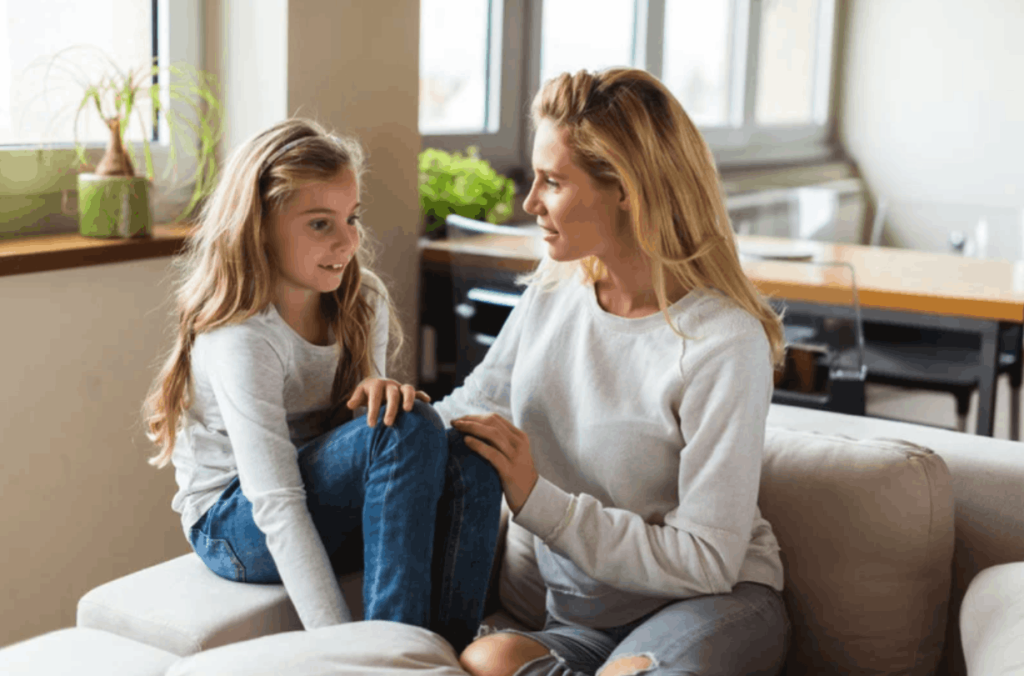 Photo credit: Georgijevic via Canva
Thinking back to my own teenage years, I’m especially grateful that menstruation wasn’t treated as a secret that only women should know about. My dad and brothers knew what pads were. They understood what periods were. And because of that, they weren’t uncomfortable or confused by it. In fact, if I ever needed a pad and there were none in the bathroom, they would simply hand me one without hesitation. There was no awkwardness, no teasing, no shame — just kindness and normalcy.
That experience taught me something important: periods shouldn’t be a taboo subject reserved only for girls. When everyone in a family understands what menstruation is, it becomes easier for girls to feel supported rather than isolated. Just like when someone has a cold, and everyone knows about it and helps out, periods should be treated the same way — as a normal part of life that deserves understanding, not silence.
I want my daughter to grow up in that same kind of environment. I want her brother, cousins, friends, and the adults around her to see menstruation as something natural, not something to whisper about. When boys and men understand periods, they become allies instead of bystanders. They learn empathy. They learn how to help. And they help create a world where girls don’t have to feel embarrassed or alone.
As we reflect on this month’s tenet and its call to honor our feminine nature, I’m reminded that preparing our daughters for menstruation is about so much more than pads and cycles. It’s about giving them confidence, the support every girl deserves, and the understanding that their bodies are powerful, capable, and good. It’s about creating homes and communities where periods are treated with the same normalcy and compassion as any other part of health — something everyone can understand and support. By speaking openly, teaching early, and involving the whole family, we help our daughters step into womanhood without fear or shame, but with dignity, knowledge, and a deep sense of belonging. In doing so, we honor not only their procreative power but the generations of women who came before and those who will come after.
P.S. If you’re not sure how to start this conversation with your daughter — or you just want a simple, natural way to show her what to do — I found a great video on Instagram that explains it so well. It shows what a girl can do if her period starts and she doesn’t have a pad with her, and it’s honestly such an easy, approachable way to open the discussion. You can watch it with your daughter or even share it with friends who might need it. Here’s the link: https://www.instagram.com/reels/DVFZZeBjj_F/
 Photo credit: Fabian Montaño via Canva
En Español:
Hablemos de la Menstruación: Ayudando a Nuestras Niñas a Sentirse Preparadas, No Asustadas
El principio de este mes destaca la importancia de comprender y honrar nuestra biología femenina, incluidos los ritmos naturales de la menstruación. Para muchas niñas, su primer período puede resultar abrumador si no están preparadas. Mientras reflexionaba sobre este principio, no pude evitar recordar mi propia primera experiencia con la menstruación, un momento que moldeó la manera en que espero guiar a mi hija cuando llegue su turno.
Lo recuerdo vívidamente. Tenía once años cuando me llegó el período por primera vez. Mi mamá me había hablado del tema antes, y yo había visto toallas sanitarias y productos de higiene en la casa, pero nada te prepara realmente para el momento en que sucede.
Estaba en una excursión escolar cuando fui al baño y noté una mancha. Por un momento, entré en pánico. Recordé lo que mi mamá me había enseñado, pero aun así no sabía qué hacer después. No le dije a mi maestra. No pedí ayuda. En cambio, esperé en silencio hasta que llegó la hora de volver a casa.
Durante todo el camino de regreso, estaba aterrada de que alguien se diera cuenta. Me preocupaba que la gente pudiera olerlo, o que me miraran porque de alguna manera lo sabían. Aunque nadie dijo nada, me sentí expuesta y sola de una manera que nunca antes había sentido.
Cuando finalmente llegué a casa y se lo conté a mi mamá, ella lo celebró conmigo. Me dio la bienvenida a esta nueva etapa de la vida con calidez y tranquilidad, me entregó una toalla sanitaria y me ayudó a sentirme segura otra vez. Ese momento de consuelo se quedó conmigo, pero también lo hizo el miedo que sentí más temprano ese día.
En retrospectiva, hay tantas cosas que desearía haber sabido. Ojalá hubiera entendido que no tenía que pasar por eso sola. Ojalá hubiera sabido que podía decírselo a mi maestra, quien probablemente me habría ayudado, me habría ofrecido una toalla sanitaria y me habría tranquilizado mucho antes de llegar a casa. Tal vez, si hubiera sabido eso, no habría pasado toda la excursión aterrada, convencida de que todos podían ver u oler algo, o que de alguna manera sabían mi secreto.
Por esa experiencia, quiero algo diferente para mi hija. Quiero que sepa que la menstruación no es algo que deba esconderse ni temerse. Quiero que se sienta segura al hablar, pedir ayuda y confiar en los adultos a su alrededor. Quiero que entienda que su cuerpo está haciendo exactamente lo que fue diseñado para hacer y que no hay vergüenza en ello.
Estoy agradecida de que hoy tengamos tantos recursos para ayudar a guiar a nuestras hijas con claridad y confianza. Los educadores en salud enfatizan que una de las cosas más importantes que podemos hacer es comenzar a hablar sobre la menstruación temprano, mucho antes de que llegue el primer período. Cuando las niñas entienden lo que está ocurriendo en sus cuerpos, es mucho menos probable que sientan miedo o que las tome por sorpresa.
Los expertos también animan a los padres a explicar lo básico en términos simples y tranquilizadores: que la menstruación es una parte normal del crecimiento, que es una señal de un sistema reproductivo saludable y que el ciclo de cada niña es diferente. Lo más importante es que nos recuerdan que nuestra actitud marca el tono. Cuando hablamos de la menstruación con calma y respeto, nuestras hijas aprenden a verla como una parte normal y saludable de la vida, no como algo que deba ocultarse o temerse.
Al pensar en mis propios años de adolescencia, estoy especialmente agradecida de que la menstruación no se tratara como un secreto que solo las mujeres debían conocer. Mi papá y mis hermanos sabían qué eran las toallas sanitarias. Entendían qué eran los períodos. Y por eso, no se sentían incómodos ni confundidos. De hecho, si alguna vez necesitaba una toalla y no había en el baño, simplemente me pasaban una sin dudar. No había incomodidad, ni burlas, ni vergüenza, solo amabilidad y normalidad.
Esa experiencia me enseñó algo importante: los períodos no deberían ser un tema tabú reservado solo para las niñas. Cuando todos en una familia entienden qué es la menstruación, es más fácil para las niñas sentirse apoyadas en lugar de aisladas. Igual que cuando alguien tiene un resfriado y todos lo saben y ayudan, los períodos deberían tratarse de la misma manera: como una parte normal de la vida que merece comprensión, no silencio.
Quiero que mi hija crezca en ese mismo tipo de ambiente. Quiero que su hermano, sus primos, sus amigos y los adultos a su alrededor vean la menstruación como algo natural, no como algo de lo que se susurra. Cuando los niños y los hombres entienden los períodos, se convierten en aliados en lugar de espectadores. Aprenden empatía. Aprenden cómo ayudar. Y ayudan a crear un mundo donde las niñas no tengan que sentirse avergonzadas ni solas.
Al reflexionar sobre el principio de este mes y su llamado a honrar nuestra naturaleza femenina, recuerdo que preparar a nuestras hijas para la menstruación es mucho más que hablar de toallas sanitarias y ciclos. Se trata de darles confianza, el apoyo que toda niña merece y la comprensión de que sus cuerpos son poderosos, capaces y buenos. Se trata de crear hogares y comunidades donde los períodos se traten con la misma normalidad y compasión que cualquier otro aspecto de la salud, algo que todos pueden comprender y apoyar.
Al hablar abiertamente, enseñar temprano e involucrar a toda la familia, ayudamos a nuestras hijas a entrar en esa nueva etapa de la vida sin miedo ni vergüenza, sino con dignidad, conocimiento y un profundo sentido de pertenencia. Al hacerlo, honramos no solo su poder procreador, sino también a las generaciones de mujeres que vinieron antes y a las que vendrán después.

Originally from Mexico City, Jessica is a dedicated wife, mother of two, and a Marriage & Family Studies student with three certificates in the field. As a black belt in Tae Kwon Do, she embodies discipline, resilience, and the pursuit of personal growth. She has experience teaching Spanish to native English speakers, empowering them to embrace language and culture with confidence. She also finds joy in watercolors, singing, and dancing, expressing herself through movement and color. Above all, she treasures meaningful moments with her family, believing that gratitude, love, and laughter create the foundation for a fulfilling and joyful life.
View Author PageStay Inspired
Join Our Newsletter Journey
Dive deeper into the world of Big Ocean Women. By subscribing to our newsletter, you'll receive a monthly dose of empowering stories, insightful articles, and the latest news from our global sisterhood. Don't miss out on the wave of inspiration – subscribe now and be part of our ever-growing community.