
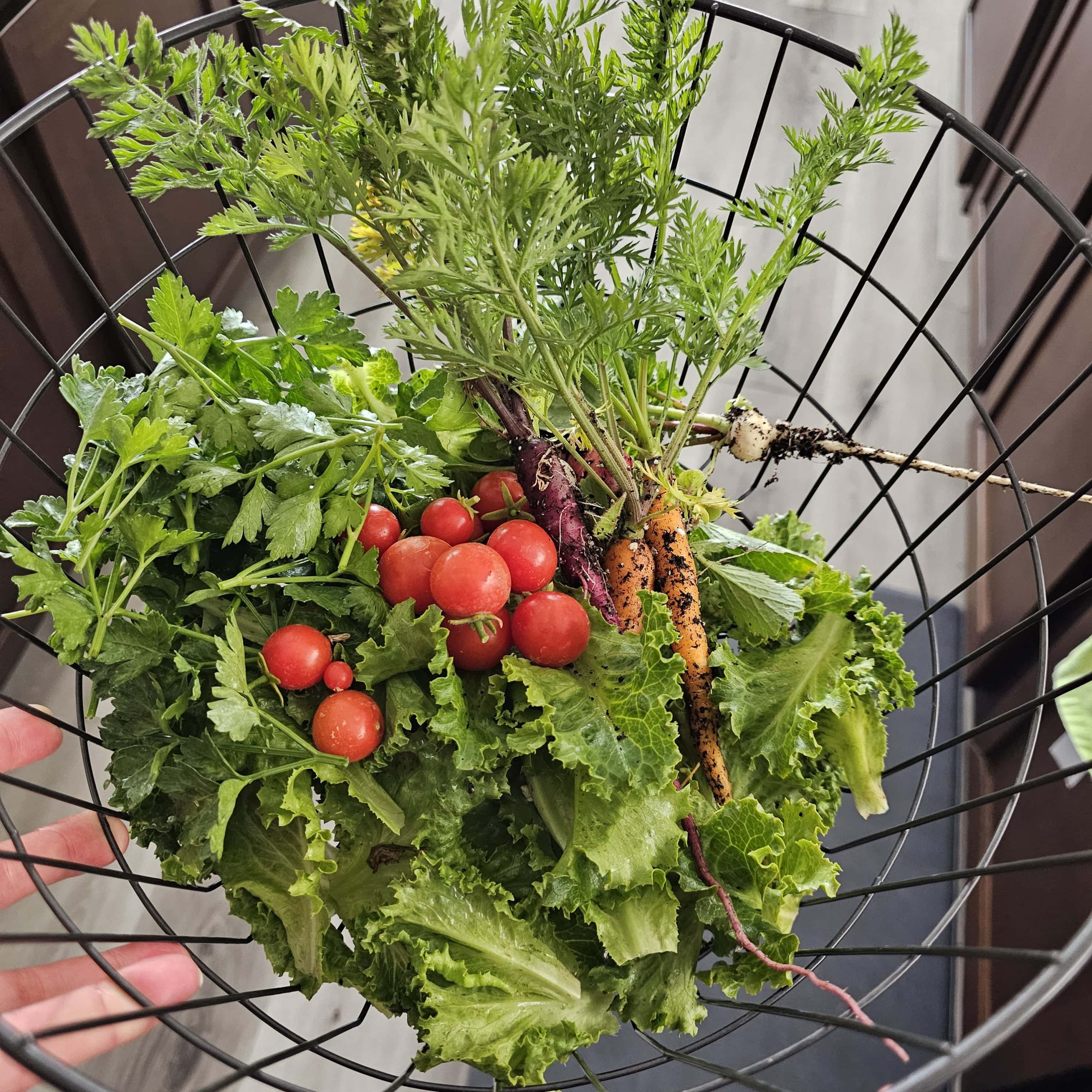
Lead Photo Credit: Lisa Bjornberg
“Gardening is an embodiment of hope.” As I was listening to Andrew Peterson read the afterword of his book, The God of the Garden, those words struck me powerfully. Maybe it was because I had recently planted some seeds in my new, small container garden. Maybe it was because I had found myself again in an emotional place of needing to focus on hope. Or maybe my spirit simply recognized the truth of it because I am, we all are, descended from those original gardeners, and, as Peterson continued, “In a literal sense it’s at the core of what we were made to do and to be.” The idea of digging into the earth and burying our desires, then watching, tending, and waiting for them to emerge, grow, and bear fruit is possibly the most basic metaphor of all human experience because we can learn so much about our own lives from this cycle of life that plays out in our gardens.
The first part of gardening is deciding where you’ll have it, considering sunlight and accessibility, but, as my master gardener friend explained, the most important part is the soil. If you want to plant directly in the earth where you live, you may find you need to remove weeds and amend the soil. If, for a variety of reasons you find yourself like so many in the world who cannot simply start planting in the dirt outside–maybe the property isn’t your own, maybe you don’t know how long you’ll be there, maybe you have only cement or a window–you need a container to fill with good quality soil. At the advice of my friend I mixed together coco coir, perlite, and composted steer manure then filled my grow bags which I lined up along a fence.
I didn’t know it then, but have since learned that, as author Laura Tenenbaum writing for Forbes put it, “Digging In The Dirt Really Does Make People Happier” This article referred to research and studies that listed “a wide range of health outcomes including reductions in depression, anxiety, . . . increased life satisfaction, vigor, psychological well-being, and cognitive function.” Sustainable Soils Alliance explains, “Soil contains the bacteria Mycobacterium vaccae that is absorbed through the skin of the fingers and palms when gardening, triggering a release of serotonin in the brain: the ‘happy hormone,’ serotonin is a natural antidepressant and mood lifter; it also strengthens the immune system and provides a general sense of wellbeing.”
In the metaphorical sense, your mind and heart is the soil in which any truth or desire will be planted. Does that soil need organic matter added like forgiving yourself or others? Do you put in the effort to dig out weeds that take your time and focus away from more important pursuits? Is your soil ready to receive truth because you are humble and ready to learn?
When your soil is prepared, you are ready to plant. You get to choose the seeds or seedlings for what you want to grow. In the literal sense, you need to be aware of growing seasons and hardiness zones. In the metaphorical sense, be aware of the season of life you are in and give yourself the grace of knowing you do not have to do all good things at the same time. Trust your internal compass to help you know what is right and just as we start with small seeds or plants, start with small changes to grow into the woman you want to become.
Over time, as you tend your garden with water and fertilizer, pulling weeds that may grow, covering for frost or shading from excessive heat, your plants will grow, and you get the visual joy of flowers, the sense of accomplishment from success, the nutrition and satisfaction from growing your own food. Unless those seeds don’t sprout and those plants don’t grow. Gardening is often a practice of trial and error. So is life. We try to learn when things don’t go as we expected. Then we adjust and try again. Sometimes our results are exactly what we expected, sometimes better, sometimes not even close. That is part of why “gardening is an embodiment of hope,” because we can only do what we can do, and then we have to wait and see. Even when our plants aren’t growing, we are. We can plant and harvest; we can hope.
For more information on how you can benefit from interacting with soil, with or without gardening, I found this delightful resource.

Lisa Bjornberg finds joy in being Chris's wife and the mother of their four children. She loved the years they had homeschooling, and is adjusting to her children becoming adults. Lisa loves to read, to sing, and to eat popcorn. She also loves to be active and outdoors. Her family has moved frequently, so she has come to recognize that life is a grand adventure and faith is essential. She is passionate about helping women tell their stories and recognize their innate value, which is why she loves being involved with Big Ocean Women.
View Author PageStay Inspired
Join Our Newsletter Journey
Dive deeper into the world of Big Ocean Women. By subscribing to our newsletter, you'll receive a monthly dose of empowering stories, insightful articles, and the latest news from our global sisterhood. Don't miss out on the wave of inspiration – subscribe now and be part of our ever-growing community.