

On Ducks and Geese and Red-Necked Phalaropes: A Poetry (English and Spanish)
Lead photo credit: Marcin Zalewski via Unsplash
It’s all because of the ducks, you see.
It is due to the downy ducklings, the drake and the hen, the flat-footed file of waterfowl walking across four lanes of traffic in the dew-drenched dawn from pond to pond in a promenade, a parade, a pageant.
It’s the fault of the slow procession of feathered bodies in one long lingering line waddling across grass and curb and pavement, so blithely oblivious to the danger they are in, the rushing of wheels, the honking of horns, the sudden cessation of movement as we come to a standstill to watch. To wait.
To pause.
I find myself intrigued by this small moment in my morning, this brief postponement. This delay.
We are in the middle of the season when eggs hatch, when baby animals are born, when flowers bloom and soft rains fall and rivers strain against their banks. It is also the time when students leave campus for the span of the summer in a flurry of finals and farewells, and afterward, for a few brief weeks, quiet reigns in the halls and classrooms where I teach. It is a pause of another sort. A deep inhale. A sigh.
I thought about ducks all day long. I thought about small duckling babies ruffling new wings as they follow their flock. I thought about sitting in my car and watching, waiting, wondering at the sight.
I don’t know if we think enough about wonder. Or ducks. After all, how often do you really think about ducks?
Ducklings communicate in the egg, long before hatching, gossiping with their duckling siblings, their feathered flockmates, in muffled peeps and chirps and screeches, a chatter that, as a mother of four, I can imagine, just as I can imagine their patient duck mothers, sitting on their chittering, cheeping eggs for days on end, occasionally wishing they would simply stop and just be silent. But as they warm their eggs and listen to their young through the barrier of thin shells they are observing a different type of break in the ordinary—a sitting, a settling, a brooding.
It is, I think, the pause that draws me in. The symbol of it. The sense that for all the busyness in our lives we need to make time to linger and rest and reflect.
My father-in-law was one of the first people who taught me what it meant to slow down. To meditate. To embrace peace. He was retired by the time I knew him, a former geologist who had spent his professional life studying the slow and ancient ways of rocks, watching the measured dance of a shifting earth, examining the way the past informs the present, reading the record of an ancient world. I should not have been surprised that his hobbies had that same sense of timelessness, but I was.
He loved crosswords, and always had a folded newspaper at hand, carefully circled and crossed out and inked over in red pen, never pencil, each letter carefully formed. He loved conversation and company and playing games—card games and board games, and games with dominoes and games with spoons. He competed on a game show in the fifties, winning the title of grand champion, and returned with enough of a prize to purchase a piano for his children to play in the front room of their modest home.
He loved to play that piano, learning music in long hours of practice as an adult, carefully studying each stanza and staff, each note and key and chord.
He loved to bake bread, experimenting with recipes in the way that only a scientist would, with weights and measures, percentages and proportions, hydration and rise. He loved to garden, in neat curving beds filled with carefully placed boulders and petrified wood and painstakingly selected species of iris and Japanese maple and wide leafed hosta, watchfully weeded and watered and mulched. He loved to grow bonsai and orchids and violets and ferns, all of them fiddly and fragile, delicate and difficult, pots of particular plants that took time and patience and nurture and care.
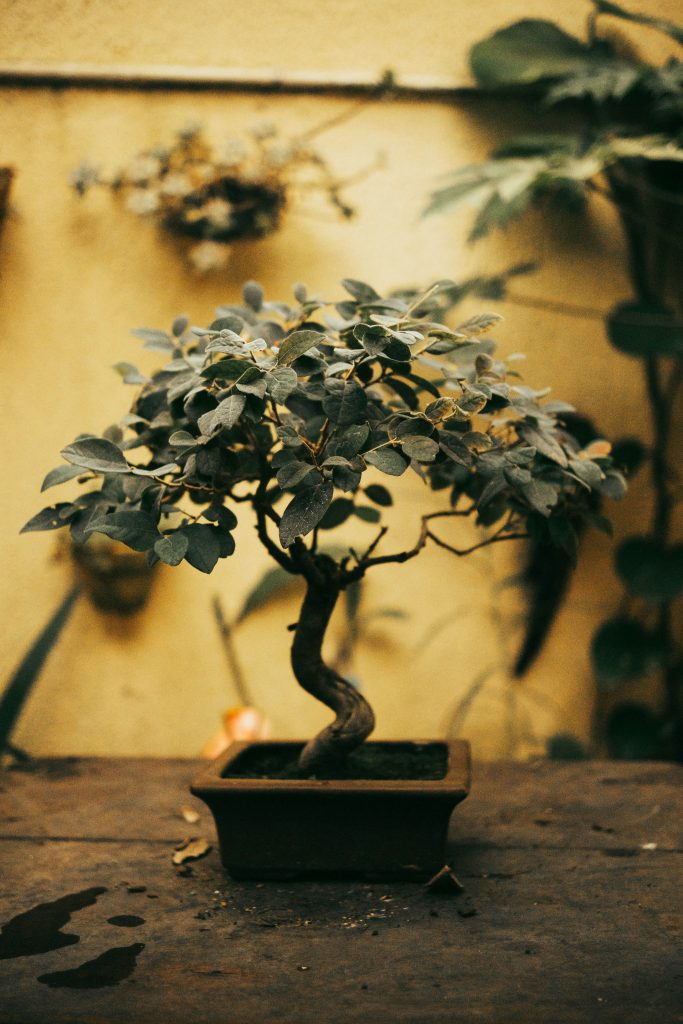 Photo credit: Federico Velazco via Unsplash
He would call and ask to pick up the grandchildren for the day, back when they were still small and needed constant care and we sometimes felt overwhelmed, my husband and I, and he would take them to parks and meadows and playgrounds, he would hold their small, smooth hands in his old and wrinkled ones, and walk them down the block, to see the horses in the empty lot, to see the goose that lived at the house on the corner, to see the house made of rock across the street (for children are easily entertained by animals and rocks – especially the rocks). He would attentively listen to their chattering voices as they demanded his attention, eager for their turn to talk.
He listened.
He knew quiet. He knew peace.
He liked to watch the birds. Maybe that’s where this comes from, this contemplation, this wandering. He liked to watch birds, had a guide to bird identification of the Northern Hemisphere, had a pair of binoculars in his desk, in his garage, in his car. He would tell my kids about them—the birds, not the binoculars. About the falcon overhead, who circled the neighborhood looking for prey—small mice in the fields, or chickens in their coops. About the bluebird and scrub jay and robin and warbler. He would tell them about sandpipers in the Carolinas and the herons in our local wetland, and the red-necked phalaropes that nested in the cliffs of northern California and along the shores of the Great Salt Lake, a bird I’ve never seen but I like to say, the syllables rolling off the tongue like waves, a rolling river of satisfying sound.
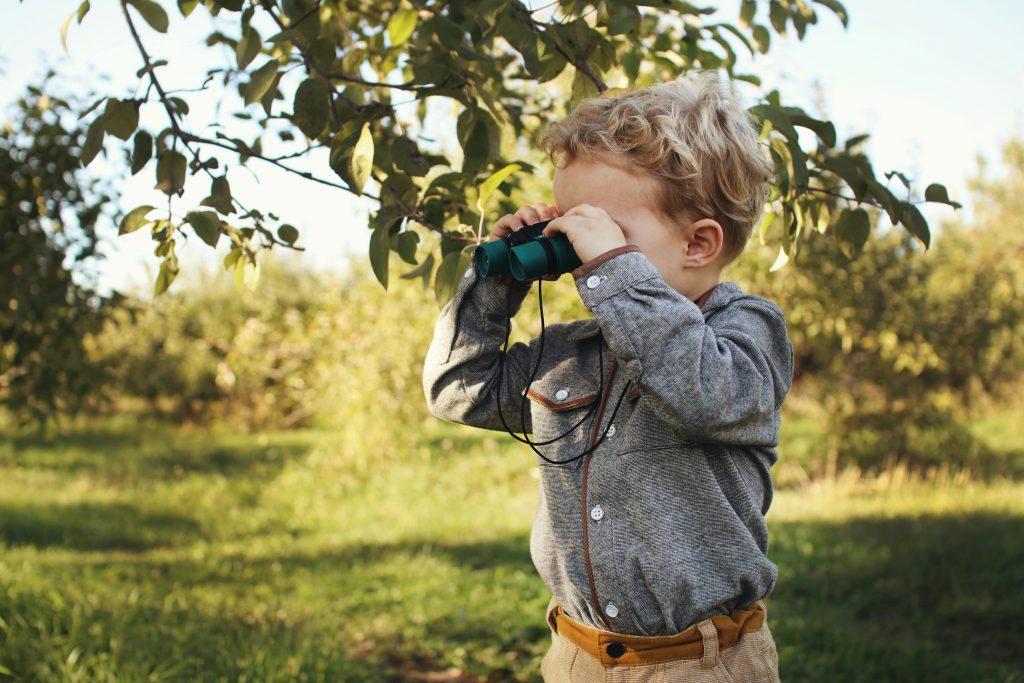 Photo credit: Jen Theodore via Unsplash
The phalarope is an excellent father, as far as avian parents go. Unlike duck fathers, whose job is done as soon as the nest is built and the eggs are laid, a phalarope father is the one who builds the nest, dragging bits of twigs and moss onto a rocky outcropping to make a comfortable bed. He is the one who sits on the eggs for three long weeks of egg incubation. The one who hovers over the small hatchlings fresh out of the shell. The one who protects. The one who waits.
There is something beautiful about that. Something worth appreciating in the quiet moments of the mating cycle of a phalarope. Something worth noticing and noting and celebrating.
Something extraordinary in this very ordinary event.
I once read a quote that said “If you cannot be the poet, be the poem,” and while I appreciate the sentiment, I think it misses the point. All the world is poetry, if we know where to look. All the little moments we sometimes forget to remember—the red pen and the binoculars and the orchids and the dominoes and the bread. It takes time to remember. It takes time to think about what it is to be human—what it is to create. We are the poem, yes, but that makes us the poet. And the pause, the reflection, the white space, the moment of peace—this space is, for me, the art of becoming an artist. And art, all art, is a spiritual act, one layered in abundance and generosity and sharing the slow moments of our lives. It is an act of inclusion. An act of grace.
It is a way of saying, here, look at this plant growing in this garden filled with ordinary dirt. Look at the effort it takes to keep it living and thriving. Look at the harvest. Look at the meal that I can make, slicing vegetables and layering them in a casserole with butter and salt and pepper and abundant joy, a delicious dish to share. Do you want some? It is pointing to a cluster of ducklings in the bright light of day and saying, look, see that? Isn’t it amazing? Isn’t it wonderful? Isn’t it full of a shivery kind of awe?
This is living. This is art. This is poetry, even if it is a more domestic type.
I am of the mind that everything human is poetry, really. Cooking is poetry. Gardening is poetry. Parenting is poetry. Stopping your car in the morning to watch a straggling line of ducks cross the road in front of your bumper is poetry. Even if it makes you late for work.
Especially if it makes you late for work.
I write to remember it, to preserve the puzzling wonder, to save this poetic act, this moment, and all the moments and connections and reflections it gathers like hatchlings underfoot.
I write to record the act of living and the act of loving and the act of walking next to others, of old hands gripping young, of conversations about rocks and music and birds, all of it a kind of poetry, a beat of accented experience—the rhythm of relationships and revelations, the meter of matter, shaping and reshaping itself like an author revising, shifting, cutting, creating, adding a comma here and a line break there, an inhale and exhale of sun rising and sun setting on each new and ordinary day where I live and write, comfortable in the spaces of pages and paragraphs and punctuation and meal making and care taking and duck watching and tending in grilled cheese sandwiches laid on a plate beside late-night low-light conversations and dirty dishes still sitting in the sink—each task a separate clock on the wall, marking minutes as I struggle to hold life or lives or living in written lines and crowded living rooms, all of it carrying the weight of creation. It is a spiritual act of devotion, this pause. This contemplation. It is a consecration, a sanctified spirituality in sandwiches and semi-colons and sky spread as wide as my cracked open human heart.
Or as wide as the wings of a bird taking flight.
En Español: Sobre Patos, Gansos y Falaropos de Cuello Rojo: Un Poema
Traducido por Jessica Yanez Barker
(Falaropos: aves pequeñas conocidas coloquialmente como pollitos de mar)
Todo es por los patos, ¿sabes?
Es por los patitos de plumas suaves, por el pato y la pata, por la fila de aves acuáticas de patas planas cruzando cuatro carriles de tráfico en la madrugada empapada de rocío, de estanque a estanque en un paseo, un desfile, un espectáculo.
Es culpa de la lenta procesión de cuerpos emplumados en una larga línea serpenteante, bamboleándose por el césped, el bordillo y el pavimento, ajenos al peligro que corren, al rugir de las ruedas, al claxon de los coches, a la súbita detención del movimiento mientras nos quedamos mirando. Esperando.
Haciendo una pausa.
Me encuentro intrigada por este pequeño momento de mi mañana, por este breve aplazamiento. Este retraso.
Estamos en la estación en la que los huevos eclosionan, nacen los animales, florecen las flores, caen suaves lluvias y los ríos se resisten en sus orillas. Es también la época en la que los estudiantes abandonan el campus durante el verano en un torbellino de exámenes finales y despedidas, y luego, durante unas breves semanas, el silencio reina en los pasillos y aulas donde enseño. Es una pausa de otro tipo. Una inhalación profunda. Un suspiro.
Pensé en los patos todo el día. En los pequeños patitos que agitan sus nuevas alas mientras siguen a su bandada. En estar sentada en mi coche, observando, esperando, maravillándome con la escena.
No sé si pensamos lo suficiente en la maravilla. O en los patos. Porque, al fin y al cabo, ¿con qué frecuencia piensas realmente en los patos?
Los patitos se comunican dentro del huevo, mucho antes de nacer, charlando con sus hermanos, sus compañeros de bandada, en piídos y chirridos y gritos ahogados, una charla que, como madre de cuatro, puedo imaginar, del mismo modo que puedo imaginar a sus pacientes madres, sentadas sobre sus huevos parloteando durante días y días, deseando, a veces, que simplemente se callen. Pero mientras calientan sus huevos y escuchan a sus crías a través de la frágil barrera de las cáscaras, están viviendo una pausa diferente en la rutina: un asentamiento, una quietud, una espera.
Creo que es la pausa lo que me cautiva. El símbolo de ella. La sensación de que, con todo el ajetreo de nuestras vidas, necesitamos hacer tiempo para demorarnos, para descansar y reflexionar.
Mi suegro fue una de las primeras personas que me enseñó lo que significa reducir la velocidad. Meditar. Abrazar la paz.
Cuando lo conocí, ya estaba jubilado. Había sido geólogo y pasó su vida profesional estudiando los lentos y antiguos caminos de las rocas, observando la danza de una Tierra cambiante, examinando cómo el pasado informa al presente, leyendo el registro de un mundo ancestral. No debería haberme sorprendido que sus pasatiempos tuvieran el mismo sentido de atemporalidad, pero lo hicieron.
Le encantaban los crucigramas y siempre tenía a mano un periódico doblado, con círculos cuidadosos y respuestas tachadas y marcadas con tinta roja, nunca lápiz, cada letra cuidadosamente formada. Le encantaban la conversación y la compañía, jugar a las cartas y juegos de mesa, juegos con dominó y juegos con cucharas. Compitió en un programa de concursos en los años cincuenta, ganó el título de gran campeón y regresó con un premio suficiente para comprar un piano para que sus hijos tocaran en la sala de su modesto hogar.
Le encantaba tocar ese piano, aprender música en largas horas de práctica como adulto, estudiando cuidadosamente cada estrofa y compás, cada nota, tecla y acorde. Le encantaba hornear pan, experimentar con recetas de la manera en que solo un científico lo haría, con pesos y medidas, porcentajes y proporciones, hidratación y fermentación. Le encantaba la jardinería, en canteros curvos y ordenados, llenos de rocas cuidadosamente colocadas y madera petrificada, con especies seleccionadas con esmero: iris, arces japoneses, hostas de hojas anchas, cuidadosamente desyerbados, regados y acolchados. Le encantaba cultivar bonsáis, orquídeas, violetas y helechos, todos ellos delicados y frágiles, difíciles y exigentes, plantas particulares que requerían tiempo, paciencia, dedicación y cuidado.
Llamaba y pedía llevarse a los nietos por el día, cuando aún eran pequeños y necesitaban atención constante y mi esposo y yo a veces nos sentíamos abrumados. Los llevaba a los parques, praderas y áreas de juego, sostenía sus pequeñas y suaves manos en sus propias manos viejas y arrugadas, y caminaba con ellos por la calle para ver los caballos en el terreno vacío, para ver al ganso que vivía en la casa de la esquina, la casa hecha de roca al otro lado de la calle (porque los niños se entretienen fácilmente con los animales y las rocas. Especialmente con las rocas). Escuchaba atentamente sus voces parloteando, demandando su atención, ansiosos por su turno para hablar.
Él escuchaba.
Conocía el silencio. Conocía la paz.
Le gustaba observar a los pájaros. Quizá de ahí viene todo esto, esta contemplación, este divagar. Le gustaba observar aves, tenía una guía de identificación de aves del hemisferio norte, un par de binoculares en su escritorio, en su garaje, en su coche. Les hablaba a mis hijos sobre ellos—sobre los pájaros, no los binoculares. Sobre el halcón que sobrevolaba el vecindario buscando a su presa: pequeños ratones en los campos, o gallinas en los corrales. Sobre el azulejo, el arrendajo matorral, el petirrojo y el chipe. Les contaba sobre los playeros en Carolina del Norte y las garzas en nuestro humedal local, y sobre los falaropos de cuello rojo que anidan en los acantilados del norte de California y a lo largo de las orillas del Gran Lago Salado, un ave que nunca he visto, pero cuyo nombre me gusta decir, las sílabas deslizándose de la lengua como olas, un río ondulante de sonido satisfactorio.
El falaropo es un padre excelente, en lo que respecta a los progenitores aviares. A diferencia de los patos, cuyo papel termina una vez que el nido está construido y los huevos puestos, el falaropo es quien construye el nido, arrastrando fragmentos de ramas y musgo sobre una roca para formar un lecho cómodo. Es quien se sienta sobre los huevos durante tres largas semanas de incubación. Quien vigila a las pequeñas crías recién nacidas. Quien protege. Quien espera.
Hay algo hermoso en eso. Algo digno de apreciar en los momentos silenciosos del ciclo de apareamiento del falaropo. Algo que vale la pena notar y celebrar.
Algo extraordinario en este evento tan ordinario.
Una vez leí una cita que decía: “Si no puedes ser el poeta, sé el poema”, y aunque aprecio el sentimiento, creo que se queda corto. Todo el mundo es poesía, si sabemos dónde mirar. Todos los pequeños momentos que a veces olvidamos recordar—la pluma roja, los binoculares, las orquídeas, el dominó, el pan. Se necesita tiempo para recordar. Se necesita tiempo para pensar en lo que significa ser humano—lo que significa crear. Somos el poema, sí, pero eso nos hace también el poeta. Y la pausa, la reflexión, el espacio en blanco, el instante de paz—este espacio es, para mí, el arte de convertirse en artista. Y el arte, todo arte, es un acto espiritual, una capa de abundancia y generosidad, un compartir los momentos lentos de nuestras vidas. Es un acto de inclusión. Un acto de gracia.
Es una manera de decir: aquí, mira esta planta creciendo en este jardín lleno de tierra común. Observa el esfuerzo que toma mantenerla viva y prosperando. Mira la cosecha. Mira la comida que puedo preparar, cortando vegetales y acomodándolos en una cazuela con mantequilla y sal y pimienta y abundante alegría, un plato delicioso para compartir. ¿Quieres probarlo? Es señalar un grupo de patitos bajo la luz brillante del día y decir: mira, ¿ves eso? ¿No es increíble? ¿No es maravilloso? ¿No está lleno de una especie de asombro conmovedor?
Esto es vivir. Esto es arte. Esto es poesía, aunque sea de un tipo más doméstico.
Creo que todo lo humano es poesía, realmente. Cocinar es poesía. Hacer jardinería es poesía. Ser padre es poesía. Detener tu coche en la mañana para ver una fila desordenada de patos cruzando la calle frente a tu parachoques es poesía. Incluso si te hace llegar tarde al trabajo.
Especialmente si te hace llegar tarde al trabajo.
Escribo para recordarlo, para preservar la desconcertante maravilla, para guardar este acto poético, este momento, y todos los momentos y conexiones y reflexiones que recoge, como polluelos bajo los pies.
Escribo para registrar el acto de vivir, el acto de amar, el acto de caminar junto a otros, de manos viejas sosteniendo jóvenes, de conversaciones sobre rocas y música y aves, todo ello una especie de poesía, un ritmo de relaciones y revelaciones, la métrica de la materia, moldeándose y remoldeándose como un autor que revisa, ajusta, corta, crea, añade una coma aquí y un espacio allá, una inhalación y exhalación del sol saliendo y el sol poniéndose en cada nuevo y ordinario día, donde vivo y escribo, cómoda en los espacios de páginas y párrafos y puntuación y preparación de comidas y cuidado y observación de patos, y el acto de atender, en sándwiches de queso a la parrilla sobre un plato junto a conversaciones nocturnas en luz tenue y platos sucios todavía esperando en el fregadero—cada tarea un reloj separado en la pared, marcando minutos mientras lucho por sostener la vida o las vidas o el acto de vivir en líneas escritas y salas abarrotadas, todo ello llevando el peso de la creación. Es un acto espiritual de devoción, esta pausa. Esta contemplación. Es una consagración, una espiritualidad santificada en sándwiches y puntos y comas y un cielo extendido tan ancho como mi corazón humano abierto.
O tan ancho como las alas de un pájaro en pleno vuelo.

Shelli is an advocacy writer and creative writing teacher. She loves to spend time with her husband (usually in the garden) and their four almost adult children. She also loves to sew (usually for the local community theater), to read, to write, and to drag her family outside to look at the sky. Shelli is passionate about poetry, Broadway show tunes, and telling stories -- of ourselves, our families, and our communities.
View Author PageStay Inspired
Join Our Newsletter Journey
Dive deeper into the world of Big Ocean Women. By subscribing to our newsletter, you'll receive a monthly dose of empowering stories, insightful articles, and the latest news from our global sisterhood. Don't miss out on the wave of inspiration – subscribe now and be part of our ever-growing community.