
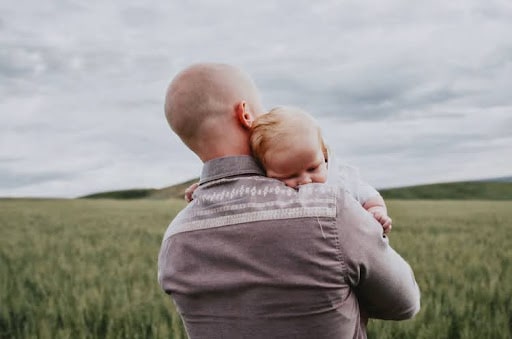
Honoring Fathers, Healing Generations (English and Spanish)
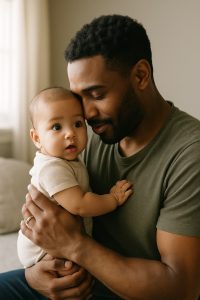
As we reflect on the essential role of fathers, we also acknowledge a growing collective longing for deeper connection, purpose, and healing. This awakening calls us to honor not only the presence of fathers, but also the deeper truths about where we come from, what we carry, and how we can consciously shape the generations to come.
We value the irreplaceable role of fathers and are committed to building interdependent, life-affirming relationships with men. More and more people are awakening to the deeper truths of our existence. As Richard Eyre suggests in Life Before Life: Origins of the Soul, we are not simply born—we come from somewhere. We carry within us the imprint of where we’ve been and who we are at the soul level.
For some, this origin may seem unimaginable. For others, it is a deeply rooted knowing. Those who live anchored in this awareness understand that life on Earth is not random—it is a sacred journey of experience, growth, and remembrance. Every moment, every challenge, every joy has a purpose: to equip us to build upon the wisdom of our soul’s origin.
When a soul arrives on Earth, some are received by both a mother and a father who honor and nurture this sacred continuity. Others are not. And yet, when a father is present—truly present—a powerful bridge is formed. The soul, which existed in wholeness before birth, now finds coherence and continuity through the loving presence of both parents.
This is why the role of the father is truly irreplaceable. He is not merely a support figure; he is a guide, a protector, a mirror of strength and worth. His presence tells the newborn, “You are safe. You matter. You are loved.” Without him, something essential can feel missing—a sense of confusion, as what the soul innately knows doesn’t align with the reality it meets.
A devoted father offers structure to the growing mind, safety to the tender heart, and a steady presence that allows confidence to take root. His love is not a luxury—it is a foundation. His devotion becomes the bedrock of the child’s sense of security.
Then, when a woman does not override, take over, or assume she always knows best—but instead invites and allows the man to be part of it all, in the ways he can—something sacred unfolds. The child and father grow together. They learn together. A bond is formed. Trust is built. A lifelong relationship takes root—one that nourishes not only the child but the father as well.
We believe in the sacred dance of the masculine and feminine—not in competition, but in co-creation. And in that space, the soul of the child thrives—held in the harmony of two devoted hearts.
To the boys and men who didn’t have a father figure:
If your biological father passed down his wounds instead of love and presence, know this: you have the power to break the cycle. You can choose to heal. You can reconnect to the truth of your soul—your life before life—and build from there.
“Ghosts in the Nursery,” a concept introduced by Selma Fraiberg, describes how unresolved traumatic experiences from a parent’s own childhood can unconsciously shape their parenting. These “ghosts” may manifest as inherited pain, reactive patterns, or emotional absence—haunting the nursery and influencing the parent-child bond in painful ways. Without awareness and healing, these cycles may continue across generations.
But just as there are ghosts, there are also “Angels in the Nursery.” As defined by Patricia Van Horn, Alicia F. Lieberman, and William W. Harris, these angels are the positive early experiences of love, safety, and attunement that reside deep in our memory and psyche. They are moments of grace—perhaps brief but powerful—that can serve as inner resources during times of struggle and transformation. For fathers seeking to heal and grow, these angels can be anchors of hope, reminding them that healing is possible and goodness is real, even if it was once fleeting.
When fathers are encouraged to reflect on both the ghosts and the angels in their own nursery, they gain access to a deeper sense of self-awareness and agency. They can consciously choose how to show up for their children—not as products of the past, but as creators of a new lineage rooted in love, presence, and strength.
Together, we can help men remember who they truly are and empower them to lead and live from that deeper place. This is how we restore, rebuild, and rise—together.
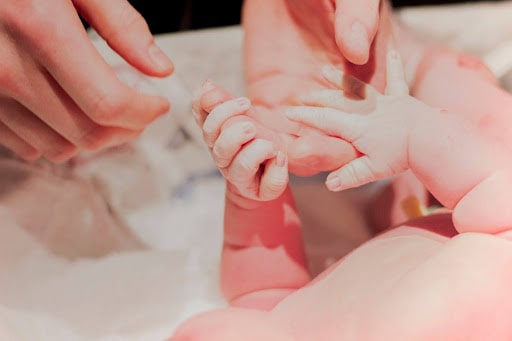
En Español: Honrando a los Padres, Sanando Generaciones
Traducido por Jessica Yanez Barker
Al reflexionar sobre el papel esencial de los padres, también reconocemos un creciente anhelo colectivo de conexión más profunda, propósito y sanación. Este despertar nos llama a honrar no solo la presencia de los padres, sino también las verdades más profundas sobre de dónde venimos, qué llevamos dentro y cómo podemos moldear conscientemente a las generaciones futuras.
Valoramos el papel irremplazable de los padres y estamos comprometidos a construir relaciones interdependientes y afirmadoras de la vida con los hombres. Cada vez más personas están despertando a las verdades profundas de nuestra existencia. Como sugiere Richard Eyre en Life Before Life: Origins of the Soul, no simplemente nacemos—venimos de algún lugar. Llevamos dentro la huella de dónde hemos estado y de quiénes somos a nivel del alma.
Para algunos, este origen puede parecer inimaginable. Para otros, es un conocimiento profundamente arraigado. Quienes viven anclados en esta conciencia comprenden que la vida en la Tierra no es aleatoria—es un viaje sagrado de experiencias, crecimiento y recuerdos. Cada momento, cada desafío, cada alegría tiene un propósito: prepararnos para construir sobre la sabiduría del origen de nuestra alma.
Cuando un alma llega a la Tierra, algunas son recibidas por una madre y un padre que honran y nutren esta continuidad sagrada. Otros no. Y, sin embargo, cuando un padre está presente—verdaderamente presente—se forma un puente poderoso. El alma, que existía en plenitud antes de nacer, encuentra ahora coherencia y continuidad a través de la presencia amorosa de ambos padres.
Por ello, el papel del padre es verdaderamente irremplazable. No es solo una figura de apoyo; es un guía, un protector, un reflejo de fortaleza y valía. Su presencia le dice al recién nacido: “Estás a salvo. Importas. Eres amado.” Sin él, algo esencial puede sentirse ausente—una sensación de confusión, cuando lo que el alma sabe innatamente no se alinea con la realidad que encuentra.
Un padre comprometido ofrece estructura a la mente en desarrollo, seguridad al corazón tierno y una presencia constante que permite que la confianza eche raíces. Su amor no es un lujo—es un fundamento. Su entrega se convierte en la base de la sensación de seguridad del niño.
Cuando una mujer no sobrepasa, no toma control ni asume que siempre sabe mejor, sino que invita y permite que el hombre sea parte de todo, en la manera en que él pueda, ocurre algo sagrado. El niño y el padre crecen juntos. Aprenden juntos. Se forma un vínculo. Se construye confianza. Surge una relación de por vida—una que nutre no solo al niño sino también al padre.
Creemos en la danza sagrada de lo masculino y lo femenino—no en competencia, sino en co-creación. Y en ese espacio, el alma del niño prospera—sostenida en la armonía de dos corazones entregados.
A los niños y hombres que no tuvieron una figura paterna:
Si tu padre biológico transmitió sus heridas en lugar de amor y presencia, debes saber esto: tienes el poder de romper el ciclo. Puedes elegir sanar. Puedes reconectarte con la verdad de tu alma—tu vida antes de la vida—y construir desde ahí.
Un concepto introducido por Selma Fraiberg: “fantasmas en la guardería,” describe cómo las experiencias traumáticas no resueltas de la infancia de un padre pueden moldear su crianza de manera inconsciente. Estos “fantasmas” pueden manifestarse como dolor heredado, patrones reactivos o ausencia emocional—acechando la infancia y afectando el vínculo entre padres e hijos de manera dolorosa. Sin conciencia y sanación, estos ciclos pueden continuar a través de generaciones.
Pero al igual que existen los fantasmas, también existen los “ángeles en la guardería. “Según Patricia Van Horn, Alicia F. Lieberman y William W. Harris, estos ángeles son las experiencias tempranas positivas de amor, seguridad y sintonización que residen profundamente en nuestra memoria y psique. Son momentos de gracia—quizás breves, pero poderosos—que pueden servir como recursos internos en tiempos de lucha y transformación. Para los padres que buscan sanar y crecer, estos ángeles pueden ser anclas de esperanza, recordándoles que la sanación es posible y que la bondad es real—aunque haya sido efímera.
Cuando los padres son alentados a reflexionar sobre los fantasmas y los ángeles en su propia infancia, acceden a una mayor conciencia de sí mismos y a una mejor autonomía. Pueden elegir conscientemente cómo presentarse a sus hijos—no como productos del pasado, sino como creadores de un nuevo linaje basado en el amor, la presencia y la fortaleza.
Juntos, podemos ayudar a los hombres a recordar quiénes son realmente y empoderarlos para liderar y vivir desde ese lugar más profundo. Así es como restauramos, reconstruimos y ascendemos—juntos.

Alma Olaveson is a dedicated advocate for women's empowerment and a passionate leader within Big Ocean Women. As a full-time mother, Alma is on a mission to create a paradigm shift in the collective consciousness of women by emphasizing one crucial element: reminding them of their innate worth, true identity, and the natural milestones in female development. Alma focuses her efforts on women who are considering pregnancy for the first time and preparing to welcome their first child. She is a firm believer that the most profound developmental milestone a woman can experience is becoming a mother for the first time. Alma is concerned that misinformation and beliefs that conflict with the natural progression of a woman's biology and feminine nature are adversely affecting the well-being of first-time mothers. Her passion lies in nurturing the spiritual, emotional, psychological, and social well-being of women as they transition from Maiden to Matrescence and ultimately to Motherhood. Alma graduated from BYUI with a degree in psychology and is currently a student at Peterson Academy. When she's not working, Alma enjoys exploring nature, hiking, chasing waterfalls, basking in the sun, and spending quality time with her kids and husband. She also loves reading, writing in her journal, and connecting with friends.
View Author PageStay Inspired
Join Our Newsletter Journey
Dive deeper into the world of Big Ocean Women. By subscribing to our newsletter, you'll receive a monthly dose of empowering stories, insightful articles, and the latest news from our global sisterhood. Don't miss out on the wave of inspiration – subscribe now and be part of our ever-growing community.