
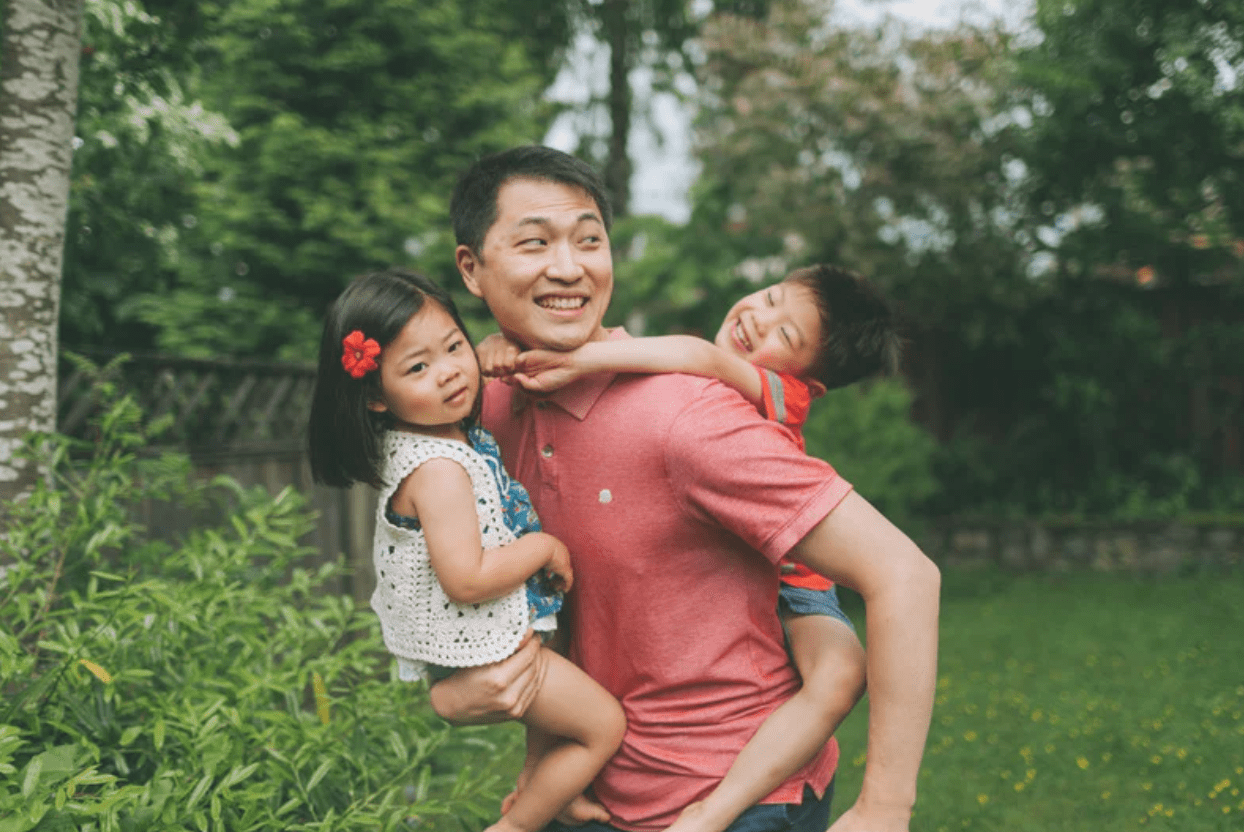
Fatherhood Matters: The Untold Connection to Body Image (English and Spanish)
Lead photo: Canva free picture by Crystal Sing
Fatherlessness is a widespread issue that affects individuals and families in various ways. From emotional development to economic stability, the absence of a father can leave lasting impacts on a child’s life. While many challenges stem from fatherlessness, this article focuses on one specific consequence: its influence on body image and eating disorders. Understanding this connection can help us find solutions that support healthier self-perception and stronger family dynamics.
The Role of Parents in Shaping Body Image
Parents play a significant role in a child’s development, influencing everything from self-esteem to body image. Research suggests that mothers often reinforce societal beauty standards, sometimes projecting their own fears onto their children. While this maternal influence is widely acknowledged, the role of fathers in shaping a child’s body image is equally critical, yet often overlooked.
Psychologist John Toussaint highlights that “fathers play an important role in the development of eating disorders, self-esteem, and body satisfaction.” As primary male role models, fathers shape their daughters’ expectations of the opposite sex, influencing how they see themselves and how they process external validation. If a father is absent or emotionally distant, this can leave a gap in a child’s sense of self-worth, making them more vulnerable to body dissatisfaction and disordered eating patterns. Studies have even shown that paternal rejection correlates with an increased drive for thinness, tendencies toward bulimia, and dissatisfaction with one’s body.
The Power of Positive Fatherhood
The way fathers interact with their children makes a profound difference—yet many dads may not even realize when their words or absence are harming their child’s self-image. Preventing these negative patterns before they take root is key. Investing in fatherhood education programs and parenting interventions can help men identify harmful behaviors and replace them with supportive, affirming interactions.
Many fathers believe their primary role is to provide financially, spending long hours outside the home. While this contribution is essential, fatherhood goes far beyond financial support—it is about emotional presence, guidance, and encouragement.
Fathers are designed to be protectors and guides, shaping their children’s sense of security and worth.
Unfortunately, many fathers unknowingly contribute to body image struggles through thoughtless remarks. In an article written by Melissa H. Smith regarding this topic, clients recalled painful statements from their fathers such as, “My dad teased me that I was chubby,” “He criticized my mom for being fat, and she wasn’t,” and “Watch what you eat, or no one will want to date you.” These comments, often intended as jokes or casual observations, can leave lasting emotional scars. Fathers must be a safe place for their children, not a source of insecurity and shame.
 Canva free picture by Anna Shvets
How We Can Reduce Fatherlessness
If men receive the same level of education and encouragement about fatherhood as women do about motherhood, we can help build a stronger foundation for families. Ideally, this education begins at home, but when fatherhood role models are absent, schools and religious institutions can step in.
One simple yet powerful approach is introducing boys to nurturing role-play activities. Encouraging them to care for baby dolls—without stigma or gendered stereotypes—can plant early seeds for engaged and compassionate fatherhood. What starts as play can grow into a deep understanding of responsibility and care.
In high school, young men could benefit from a dedicated fatherhood class alongside traditional sex education. Providing a space to reflect on their experiences with their own fathers—and learning about the critical role dads play in a child’s development—could open their eyes to the impact of fatherlessness. Seeing the statistics and hearing real stories would help them grasp the weight of the issue and inspire them to prioritize fatherhood in their future.
For those in religious communities, fatherhood discussions should be incorporated more frequently into youth programs. While young women often talk about marriage and motherhood, young men may not engage as deeply with conversations about parenting. By fostering these discussions early, we can prepare future fathers to step into their roles with confidence and purpose.
A Call to Action
Fatherlessness is not just an individual problem, it is a societal issue with far-reaching consequences, including eating disorders and body image struggles. The more we educate and empower men to embrace their role as fathers, the more we can heal generational wounds and create a future where children grow up feeling secure, valued, and loved.
Are we ready to reshape the narrative around fatherhood? It starts with awareness, action, and a collective commitment to change.
 Canva free picture by Odua Images
En Español: La paternidad y su conexión no contada con la imagen corporal
La ausencia de una figura paterna es un problema extendido que afecta a individuos y familias de muchas maneras. Desde el desarrollo emocional hasta la estabilidad económica, la falta de un padre puede dejar huellas profundas en la vida de un niño. Si bien existen múltiples desafíos derivados de la ausencia paterna, este artículo se centra en una consecuencia específica: su influencia en la imagen corporal y los trastornos alimenticios. Comprender esta conexión puede ayudarnos a encontrar soluciones que promuevan una percepción más saludable de uno mismo y relaciones familiares más sólidas.
El papel de los padres en la formación de la imagen corporal
Los padres desempeñan un papel crucial en el desarrollo de sus hijos, influyendo en su autoestima e imagen corporal. Las investigaciones han demostrado que las madres suelen reforzar los estándares de belleza de la sociedad, proyectando a veces sus propios temores en sus hijos. Si bien esta influencia materna se reconoce ampliamente, el papel de los padres en la imagen corporal también es esencial, aunque a menudo se pasa por alto.
El psicólogo John Toussaint subraya que “los padres juegan un papel importante en el desarrollo de los trastornos alimenticios, la autoestima y la satisfacción con el cuerpo.” Como principales modelos masculinos, los padres moldean las expectativas de sus hijas respecto al sexo opuesto, influyendo en su percepción de sí mismas y en su búsqueda de validación externa. Cuando un padre está ausente o emocionalmente distante, puede crear un vacío en la autoestima del niño, haciéndolo más vulnerable a no estar satisfecho con su cuerpo y a patrones de alimentación desordenados. De hecho, los estudios han demostrado que el rechazo paterno se relaciona con una mayor tendencia a la delgadez extrema, la bulimia y la insatisfacción corporal general.
El poder de una paternidad positiva
La manera en que los padres interactúan con sus hijos tiene un impacto profundo. Sin embargo, muchos no se dan cuenta de que sus palabras o su ausencia pueden estar dañando la imagen corporal de sus hijos. La prevención es clave. Invertir en programas de educación para padres y en intervenciones puede ayudar a los hombres a identificar comportamientos perjudiciales y a reemplazarlos por interacciones de apoyo y afirmación.
Muchos padres creen que su contribución principal es proporcionar estabilidad económica, pasando largas horas fuera del hogar. Aunque esto es importante, la paternidad va mucho más allá del apoyo financiero: se trata de estar presente emocionalmente, guiar y fomentar la seguridad en sus hijos.
Desafortunadamente, muchos padres contribuyen sin querer a los problemas de imagen corporal a través de comentarios despectivos. En un artículo de Melissa H. Smith sobre este tema, algunos pacientes recordaron declaraciones dolorosas de sus padres, como: “Mi papá se burlaba de mí por ser gordita”, “Criticaba a mi mamá por ser gorda, cuando en realidad no lo era”, y “Cuida lo que comes, o nadie querrá salir contigo.” Estos comentarios, a menudo expresados como bromas o comentarios casuales, pueden dejar cicatrices emocionales profundas. Los padres deben ser un refugio seguro para sus hijos, no una fuente de inseguridad y vergüenza.
Cómo podemos reducir la falta de una figura paterna
Si los hombres recibieran el mismo nivel de educación y estímulo sobre la paternidad que las mujeres sobre la maternidad, podríamos fortalecer la estructura familiar. Idealmente, esta educación comienza en casa, pero cuando los modelos paternos son inexistentes, las escuelas y comunidades religiosas pueden desempeñar un papel importante.
Una forma sencilla pero poderosa de fomentar la paternidad responsable es permitir que los niños participen en juegos de rol, como cuidar muñecos. En lugar de ridiculizar a los niños por participar en estas actividades—como ocurre en algunas culturas—los padres pueden verlo como una oportunidad para enseñarles que los hombres también pueden cuidar a los bebés. Lo que empieza como un juego puede convertirse en la base de una paternidad saludable en el futuro.
En la escuela, los jóvenes podrían beneficiarse de clases dedicadas a la paternidad además de la educación sexual tradicional. Proporcionarles un espacio para reflexionar sobre sus propias experiencias con sus padres, aprender sobre el impacto de la ausencia paterna y entender la importancia de un padre en la vida de un niño podría ayudar a generar conciencia sobre el tema. Al presentar estadísticas y casos reales, se puede fomentar una mayor comprensión sobre la relevancia de la paternidad en la sociedad.
Para quienes pertenecen a comunidades religiosas, es fundamental incluir debates sobre la paternidad en programas juveniles. Mientras que las mujeres jóvenes suelen hablar sobre el matrimonio y la maternidad, los hombres jóvenes rara vez profundizan en conversaciones sobre la paternidad. Fomentar estos temas desde una edad temprana les permitirá prepararse para asumir su papel con mayor confianza y propósito en el futuro.
Un llamado a la acción
La falta de una figura paterna no es solo un problema individual; es un problema social con consecuencias significativas, incluyendo los trastornos alimenticios y la lucha por una imagen corporal saludable. Cuanto más eduquemos y empoderemos a los hombres para que asuman su papel como padres, más podremos sanar heridas generacionales y crear un futuro en el que los niños crezcan sintiéndose seguros, valorados y amados.
¿Estamos listos para cambiar la narrativa sobre la paternidad? Todo comienza con la conciencia, la acción y un compromiso colectivo por el cambio.

Originally from Mexico City, Jessica is a dedicated wife, mother of two, and a Marriage & Family Studies student with three certificates in the field. As a black belt in Tae Kwon Do, she embodies discipline, resilience, and the pursuit of personal growth. She has experience teaching Spanish to native English speakers, empowering them to embrace language and culture with confidence. She also finds joy in watercolors, singing, and dancing, expressing herself through movement and color. Above all, she treasures meaningful moments with her family, believing that gratitude, love, and laughter create the foundation for a fulfilling and joyful life.
View Author PageStay Inspired
Join Our Newsletter Journey
Dive deeper into the world of Big Ocean Women. By subscribing to our newsletter, you'll receive a monthly dose of empowering stories, insightful articles, and the latest news from our global sisterhood. Don't miss out on the wave of inspiration – subscribe now and be part of our ever-growing community.