
Won’t You Be My Neighbor? A Story of Radishes and Rhubarbs and Radical Choices Regarding Garden Gates (English and Spanish)
“You rarely have time for everything you want in this life, so you need to make choices. And hopefully your choices can come from a deep sense of who you are.”
—Fred Rogers
A brief look over my garden wall….
This morning I was picking through the garden beds, sorting the green and tender shoots, trying to decipher the differences between weeds and vegetables, a distinction that is fairly difficult when a plant is newly sprouted and small leafed. I was examining the fresh shades of green, and the delicate way the stems poked and pushed through the soil, and the graceful manner of new leaves unfurling, while hoping I did not accidentally uproot the radishes instead of eradicating the creeping bindweed, the thistles, the goatsheads and dandelions and crabgrass, all of which stubbornly insist on sprouting in the garden beds no matter how attentive I am in the early days and weeks of planting a new garden.
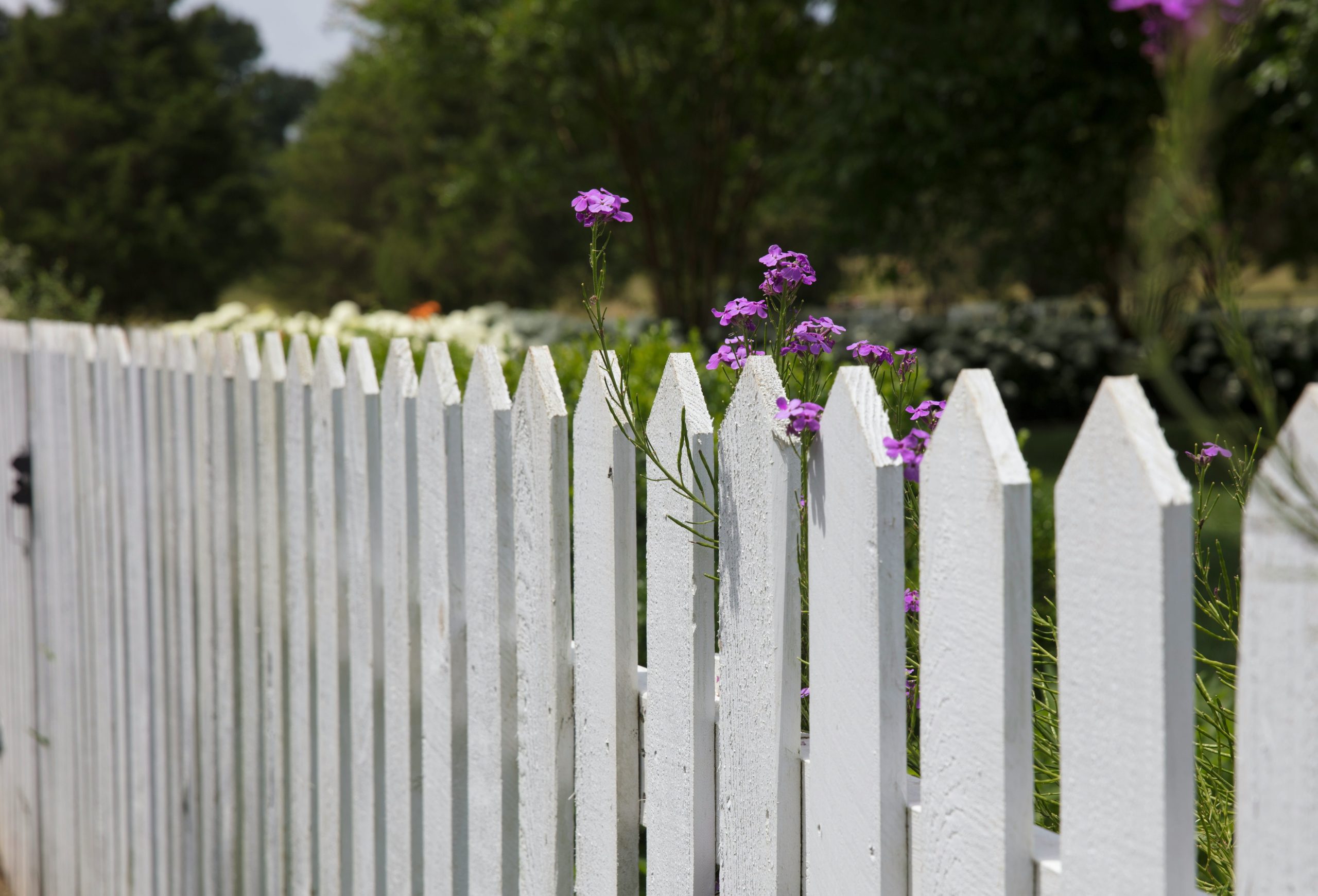
I was pulling small weeds out shoot by shoot, feeling the slip of their stems through the soft soil they had not yet had time to root into, at least not deeply enough to anchor, to bind, to resist the pulling, and I was grateful to be out of the sun, but I was also mourning how much of the garden now rests in shade, especially late in the day, especially in the shelter of the fence that outlines our yard, a white vinyl wall that separates us from the family to the north of us, and keeps us isolated from the couple whose grass snugs up onto the back of our flowerbeds, and divides us from the dogs that live in the yard directly to the south, the same fence that blocks the slant of afternoon sun from the dark dirt beds, for plants need sun to grow, and every year the garden is a little more in shadow, a little more in the dark.
It hasn’t always been this way.
At first there was no fence in our back yard….not through any measurable effort or resistance on our part, but because the house was new, and we were young, and we had more important things to do with our time (and our limited funds) than worry about the divisions between property lines around our home where we moved with three small children, the youngest barely a few weeks old.
At first there was no fence, and no yard, really, just dirt and rocks (so many rocks), and a few wobbly patches where we had turned the soil and planted some stick like shrubs, and a few perennials, and a faint attempt at a vegetable garden that seemed to grow weeds faster than carrots, although at the time I am not sure I could tell the difference between a weed and a carrot anyway.
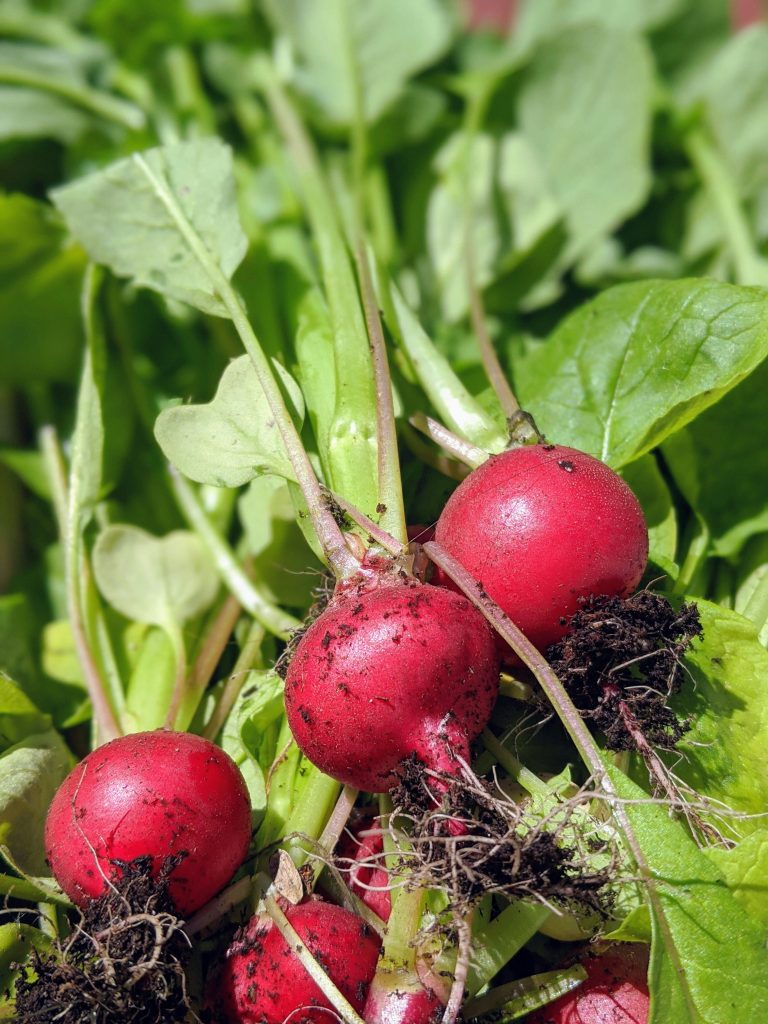
At first there was no fence in our backyard and I remember long sunny summer evenings sitting on folding chairs to eat outside while the children played in the dirt and we chatted with our backyard neighbors as they watered their newly planted grass and lit the grill and made a dinner of their own, and I remember how surprised I was that that little seeds I had planted in May grew to be fully formed radishes by late June, and I remember our neighbor walking across the boundary between our yards and plucking a round red radish from the dirt and dusting it off and popping it into his mouth, and complimenting me on my ability to keep a garden like I had done something wondrous or wonderful instead of simply plopping seeds into holes, and I remember the way the plants soaked in the light as we talked until the sun sank low in the sky.
The fences rose slowly—first on one side, and then the other, and then finally the last border between our house and our backyard neighbors, until there was a barrier in each direction keeping our lawns from touching and our gardens from mingling, until our pets could be safely kept separate, and until months had gone by between conversations with neighbors we used to run into accidentally while walking in our own back yard.
I miss the openness of that yard that was so long ago. I miss the way I could see across the entire neighborhood, the way we could track children as they ran from yard to yard, the way we could see small interactions of people from a block away. I miss the unexpected conversations over radishes and carrots and cabbages. I miss the way our lives intersected by accident, without effort, without plan. It makes me think, strangely, of long ago afternoons from when I was a child, watching TV and working out what it meant to be a grown-up through shows like Sesame Street and Mr Roger’s Neighborhood, watching people living and working together, and catchy little tunes asking the question: “Won’t you be my neighbor?”
I miss the opportunity to ask.
A backyard has been, in my life, a place of refuge. Of wonder. Of imagination, fostered by TV shows that introduced friendly faces and unexpected castles and tree houses and helpful mailmen and mayors and handymen. My own backyard has been made of wild frontiers and unexplored territories—places to run and play, to curl up and read, places where the sound of laughter rose high above the trees and echoed in the air of my earliest memories.
We moved often when I was young and I remember rambling through the wilds of Oregon, and the wide fields of Northern California, neither town meant for barriers or borders, the neighbors friendly and interesting and the few fences low and wood and constantly in need of a coat of paint.
We would visit rural Utah in the summer, and my sisters and I would spend hot days banished to the wide outdoors while the grownups visited on the wide front porch, the children playing in the shade of old trees or wandering from one yard to another, past gardens and water canals and church yards and fresh laundry hung on long low wire lines. Most of those neighborhoods are gone now, or mostly gone, and in their place you instead find tidy yards and high efficiency clothes dryers and square patches of lawn and low-care white vinyl expanses that keep every patch of grass and dirt divided and I can’t help wondering, when did it change? I cannot quite pinpoint when we began to draw arbitrary lines to separate our homes, our yards, and our lives from one another, and I find myself wondering why we take such great care to create division, to erect walls, to build fences and railings and roadblocks like those barriers will save us from anything uncomfortable or awkward or demanding?
It is self-destructive, this isolation. It is a kind of denial that chooses not to see how dependent we are upon one another, how intertwined, how connected, and this denial results in a type of physical and spiritual starvation.
I wonder if we can choose a different way of living together.
I look around my garden sprouting in the shade, and I wonder if we can’t choose sun instead of shadow.
I have recently added rhubarb to my garden. Rhubarb has wide, deep green, ruffled leaves, as big across as both my hands laid side by side. It has long, elegant stems, streaked in shades of white and red and pink. It grows from collections of rhizomes, an underground system of stems and stalks that spread each year, that thicken and cluster and send out shoots to create new plants.
Rhubarb is hardy. Tough. Able to withstand cold winters and hot summers and drought and soaking rains and still thrive. But it is not perfect.
The most pressing issue with rhubarb is that every few years it must be dug up, divided, and replanted. If not the leaves become limp, the stems weak and thin, the roots woody and tough and difficult to cultivate. If you know someone who has a rhubarb, eventually you will find yourself faced with accepting a damp bundle of roots wrapped in paper towel, carefully pressed into your hands along with instructions on how deep to dig the hole and how often to water the cutting and when to harvest the crisp, sour stalks.
Rhubarb is a plant that needs to be shared.
Years ago I was gifted a slip of a rhubarb plant from a high school friend who swore it had come from a long ago garden plot in England, that one ancient plant endlessly reproducing across decades and continents until it eventually come to rest in a neglected corner of my yard in Utah where it became jam and pie and cobbler and crisps until it met an untimely demise due to curious dogs digging at the roots.
So this year I planted a new rhubarb plant.
There is something to be learned from rhubarb. A story about resilience and bounty and community and the vagueries of varied vegetable distribution systems.
But most of all, there is something to be said about choosing to share our harvest, our plantings, our lives with others, even when the winter is rough and the summer is dry and you think there won’t be a harvest at all. And there is something to be said for what happens if we don’t. Isolation makes us each a little weak and thin and tough.
Perhaps the metaphor has gotten away from me a little bit. But I have been gardening, and I have been thinking, because time spent with plants lends itself to thinking (and sunburns and slivers and dirt engrained into the skin around your nails, but mostly thinking), and I have been considering all the ways that the world at large sometimes feels overwhelming, and vast in scale and in problems and frustrating in our ability to create change, and in those moments I can’t help but think that maybe we are focusing on the wrong things.
We are focusing on what is wrong and what is frustrating and what feels impossible, and forgetting to see the things that are good and wise and wondrous about our lives.
And that is a choice.
We can focus on the weeds and we can focus on the fences and we can focus on the drought and the storms and the fires and the pests. Or we can focus on the way a tiny seed we planted a month and half ago has suddenly sprouted through the soil, pushed up leaves and sent down roots and has grown round and fat and red in the earth, ready to be picked and eaten straight out of the dirt or sliced into a salad or shared across a backyard border with someone we want to know.
And that is another choice.
The choice to see what we can do instead of what we can’t, to remember our neighbors, despite our fences, to share our radishes and our rhubarbs and our summer nights.
The landscape of our yards and neighborhoods may have changed, but our essential needs have not.
Friendship. Tenderness. Holiness. Joy.
The backyard is a wondrous place—and I tend to think that it is in these places where change happens, slowly, one person at a time, from the very center of our gardens and our homes and our hearts and our neighborhoods.
But it is real change. Meaningful change. The change we want to see. The kind that cannot be legislated or forced out or defeated by others.
Kindness. Empathy. Love. Generosity. A binding of lives together through shared experiences and goals and sweat and slivers and too much sun.
It is a change that will come no matter what obstacles it faces, one that cannot be stopped if we take the time and care to repopulate these forgotten spaces and realize our own potential to take an idea and make it real, to take an acquaintance and make them a friend, to take a seed and make it a meal.
The most radical choice, I believe, is the choice to reach out and grab someone else by the hand. To provide a welcoming space. A listening ear. A garden to run in and play in, for imagination and dreaming and creativity and the singing of songs. So I choose welcome. I choose connection. I choose to open my gate and let others walk through.
I choose to be a small force for ordinary good and delicious vegetables grown with my own two hands.
And I hope you like radishes.
“I believe that appreciation is a holy thing–that when we look for what’s best in a person we happen to be with at the moment, we’re doing what God does all the time. So in loving and appreciating our neighbor, we’re choosing something sacred.”
—Fred Rogers
Lead Photo Credit: Randy Fath via Unsplash
En Español:
Traducido por Jessica Yanez Barker
¿Quieres ser mi vecino?
Una historia de rábanos y ruibarbo y elecciones radicales sobre las puertas del jardín
“Rara vez tienes tiempo para todo lo que quieres en esta vida, así que necesitas tomar decisiones. Y, con suerte, tus decisiones pueden provenir de un profundo sentido de quién eres.”
—Fred Rogers
Un vistazo breve por encima de mi muro de jardín…
Esta mañana estaba revisando los bancales del jardín, clasificando los brotes verdes y tiernos, tratando de descifrar las diferencias entre malezas y vegetales, una distinción bastante difícil cuando una planta apenas ha brotado y tiene hojas pequeñas. Observaba los frescos tonos de verde, la delicada manera en que los tallos empujaban la tierra, y la gracia con la que las nuevas hojas se desplegaban, mientras esperaba no arrancar accidentalmente los rábanos en lugar de erradicar la enredadera, los cardos, los abrojos, los dientes de león y el pasto cangrejo, todos los cuales insisten obstinadamente en brotar en los bancales sin importar cuán atenta sea yo en los primeros días y semanas de plantar un nuevo jardín.
Arrancaba pequeñas hierbas tallo por tallo, sintiendo el desliz de sus tallos a través de la tierra blanda en la que aún no habían tenido tiempo de enraizar, al menos no lo suficiente para resistir el tirón, y agradecía estar fuera del sol, pero también lamentaba cuánto del jardín ahora descansa en sombra, especialmente al final del día, especialmente bajo el resguardo de la cerca que delimita nuestro patio, un muro de vinilo blanco que nos separa de la familia al norte, que nos aísla de la pareja cuyo césped se ajusta a la parte trasera de nuestros parterres, y que nos divide de los perros que viven directamente al sur, la misma cerca que bloquea la inclinación del sol de la tarde sobre la tierra oscura, pues las plantas necesitan sol para crecer, y cada año el jardín queda un poco más en sombra, un poco más en la oscuridad.
No siempre fue así.
Al principio no había cerca en nuestro patio trasero… no por algún esfuerzo medible de nuestra parte, sino porque la casa era nueva, y nosotros éramos jóvenes, y teníamos cosas más importantes que hacer con nuestro tiempo (y nuestros limitados fondos) que preocuparnos por las divisiones de las líneas de propiedad alrededor de nuestro hogar, al que nos mudamos con tres niños pequeños, el menor apenas de unas semanas de nacido.
Al principio no había cerca, ni siquiera un patio propiamente dicho, solo tierra y rocas (tantas rocas), y algunos parches tambaleantes donde habíamos removido la tierra y plantado arbustos como palitos, algunas perennes, y un tímido intento de huerto que parecía producir malezas más rápido que zanahorias, aunque en ese momento no estoy segura de que pudiera distinguir entre una maleza y una zanahoria.
Recuerdo aquellas largas tardes soleadas de verano, sentados en sillas plegables para cenar afuera mientras los niños jugaban en la tierra y conversábamos con los vecinos del patio trasero mientras regaban su césped recién plantado y encendían la parrilla para preparar su propia cena. Recuerdo lo sorprendida que estaba de que las pequeñas semillas que había plantado en mayo se convirtieran en rábanos completamente formados a finales de junio, y recuerdo a nuestro vecino cruzando la línea entre los patios y arrancando un rábano rojo y redondo de la tierra, sacudiéndolo y metiéndoselo en la boca, y felicitándome por mi habilidad para mantener un jardín, como si hubiera hecho algo maravilloso en lugar de simplemente dejar caer semillas en agujeros.
Las cercas fueron levantándose lentamente—primero a un lado, luego al otro, y finalmente la última frontera entre nuestra casa y los vecinos del patio trasero, hasta que hubo una barrera en cada dirección, manteniendo separados nuestros céspedes y nuestros jardines, hasta que nuestras mascotas pudieron estar seguras, y hasta que pasaron meses entre conversaciones con vecinos con los que antes nos encontrábamos por casualidad al caminar en nuestro propio patio.
Extraño la apertura de aquel patio de hace tanto tiempo. Extraño la manera en que podía ver todo el vecindario, seguir a los niños mientras corrían de un patio a otro, observar pequeñas interacciones de personas a una cuadra de distancia. Extraño las conversaciones inesperadas sobre rábanos y zanahorias y coles. Extraño la forma en que nuestras vidas se cruzaban por accidente, sin esfuerzo, sin plan. Me recuerda, curiosamente, a aquellas tardes de mi infancia viendo televisión y tratando de entender lo que significaba ser adulto a través de programas como Plaza Sésamo y el Vecindario de Mr. Rogers, viendo a la gente vivir y trabajar juntos, y esas pegajosas melodías que preguntaban: “¿Quieres ser mi vecino?”
Extraño la oportunidad de preguntar.
Un patio trasero ha sido, en mi vida, un lugar de refugio. De asombro. De imaginación, alimentada por programas de televisión que presentaban rostros amigables y castillos inesperados y casas en los árboles y carteros y alcaldes y hombres útiles. Mi propio patio trasero ha sido hecho de fronteras salvajes y territorios inexplorados—lugares para correr y jugar, para acurrucarse y leer, lugares donde el sonido de la risa se elevaba por encima de los árboles y resonaba en el aire de mis primeros recuerdos.
Nos mudábamos a menudo cuando era niña y recuerdo vagar por los parajes de Oregón y los amplios campos del norte de California, pueblos sin barreras ni fronteras, vecinos amables e interesantes y las pocas cercas bajas de madera siempre necesitadas de pintura.
Visitábamos zonas rurales de Utah en verano y mis hermanas y yo pasábamos los días calurosos desterradas al aire libre mientras los adultos conversaban en el amplio porche delantero, los niños jugando bajo la sombra de viejos árboles o deambulando de un patio a otro, entre jardines y canales de agua y patios de iglesias y ropa fresca colgada en largos tendederos de alambre. La mayoría de esos vecindarios ya no existen, o casi no, y en su lugar ahora encuentras patios ordenados y secadoras de alta eficiencia y parches cuadrados de césped y extensiones de vinilo blanco de bajo mantenimiento que mantienen cada pedazo de césped y tierra dividido. Y no puedo evitar preguntarme cuándo cambió todo. No logro precisar cuándo comenzamos a trazar líneas arbitrarias para separar nuestras casas, nuestros patios y nuestras vidas unos de otros, y me pregunto por qué nos esmeramos tanto en crear división, en levantar muros, en construir cercas y barandales y obstáculos como si esas barreras fueran a salvarnos de algo incómodo o exigente.
Es autodestructivo, este aislamiento. Es una especie de negación que elige no ver cuán dependientes somos unos de otros, cuán entrelazados, cuán conectados, y esta negación resulta en una forma de hambre física y espiritual.
Me pregunto si podemos elegir otra manera de vivir juntos.
Miro mi jardín que brota en la sombra y me pregunto si no podemos elegir el sol en lugar de la sombra.
He añadido recientemente ruibarbo a mi jardín. El ruibarbo tiene hojas anchas, verdes y rizadas, tan grandes como mis dos manos extendidas lado a lado. Sus tallos son largos y elegantes, veteados en tonos de blanco, rojo y rosa. Crece a partir de colecciones de rizomas, un sistema subterráneo de tallos y raíces que se expande cada año, que se engrosa y se agrupa y envía brotes para crear nuevas plantas.
El ruibarbo es resistente. Fuerte. Capaz de soportar inviernos fríos y veranos calurosos, sequías y lluvias intensas, y aun así prosperar. Pero no es perfecto.
El problema más apremiante con el ruibarbo es que cada pocos años debe ser desenterrado, dividido y replantado. Si no, las hojas se vuelven lacias, los tallos débiles y delgados, las raíces leñosas y duras, difíciles de cultivar. Si conoces a alguien que tenga ruibarbo, tarde o temprano te encontrarás aceptando un paquete húmedo de raíces envueltas en papel, cuidadosamente colocado en tus manos junto con instrucciones sobre qué tan profundo cavar el hoyo, con qué frecuencia regar el esqueje y cuándo cosechar los tallos crujientes y ácidos.
El ruibarbo es una planta que necesita compartirse.
Hace años recibí un esqueje de ruibarbo de una amiga de la secundaria que juraba que provenía de un huerto antiguo en Inglaterra, una planta ancestral que se reproducía sin fin a lo largo de décadas y continentes hasta descansar finalmente en un rincón olvidado de mi patio en Utah, donde se convirtió en mermelada, pastel, crumble y postres, hasta que encontró un final prematuro por culpa de perros curiosos que escarbaban las raíces.
Este año planté un nuevo ruibarbo.
Hay algo que aprender del ruibarbo. Una historia sobre resiliencia, abundancia, comunidad y las peculiaridades de los sistemas de distribución de vegetales.
Pero, sobre todo, hay algo que decir acerca de elegir compartir nuestra cosecha, nuestras siembras, nuestras vidas con otros, incluso cuando el invierno es duro y el verano es seco y creemos que no habrá cosecha. Y también hay algo que decir sobre lo que ocurre si no lo hacemos. El aislamiento nos vuelve un poco más débiles, más delgados, más duros.
Quizá la metáfora se me ha escapado un poco. Pero he estado cultivando y he estado pensando, porque el tiempo con las plantas se presta a pensar (y a quemaduras de sol y astillas y tierra incrustada en la piel alrededor de las uñas, pero sobre todo a pensar), y he estado considerando todas las formas en que el mundo a veces se siente abrumador, vasto en escala y problemas, frustrante en nuestra capacidad de generar cambio, y en esos momentos no puedo evitar pensar que quizá estamos enfocándonos en lo equivocado.
Nos enfocamos en lo que está mal, en lo que frustra, en lo que parece imposible, y olvidamos ver lo que es bueno, sabio y maravilloso en nuestras vidas.
Y eso es una elección.
Podemos enfocarnos en las malezas, en las cercas, en la sequía, en las tormentas, en los incendios y en las plagas. O podemos enfocarnos en cómo una diminuta semilla que plantamos hace mes y medio ha brotado de la tierra, ha desplegado hojas, ha echado raíces y ha crecido redonda y roja bajo el suelo, lista para ser arrancada y comida directamente de la tierra, o cortada en una ensalada, o compartida a través de la frontera de un patio con alguien que queremos conocer.
Y esa es otra elección.
La elección de ver lo que sí podemos hacer en lugar de lo que no, de recordar a nuestros vecinos a pesar de las cercas, de compartir nuestros rábanos, nuestros ruibarbos y nuestras noches de verano.
El paisaje de nuestros patios y vecindarios puede haber cambiado, pero nuestras necesidades esenciales no.
Amistad. Ternura. Santidad. Alegría.
El patio trasero es un lugar maravilloso—y tiendo a pensar que es en estos lugares donde ocurre el cambio—lentamente, una persona a la vez, desde el mismo centro de nuestros jardines, nuestros hogares, nuestros corazones y nuestros vecindarios.
Pero es un cambio real. Un cambio significativo. El cambio que queremos ver. El tipo de cambio que no puede ser legislado ni forzado ni derrotado por otros.
Bondad. Empatía. Amor. Generosidad. Una unión de vidas a través de experiencias compartidas, metas comunes, sudor, astillas y demasiado sol.
Es un cambio que llegará sin importar los obstáculos que enfrente, uno que no puede detenerse si nos tomamos el tiempo y el cuidado de repoblar estos espacios olvidados y de darnos cuenta de nuestro propio potencial para tomar una idea y hacerla real, para tomar un conocido y convertirlo en amigo, para tomar una semilla y convertirla en alimento.
La elección más radical, creo, es la elección de extender la mano y tomar la de alguien más. De ofrecer un espacio acogedor. Un oído atento. Un jardín para correr y jugar, para la imaginación, los sueños, la creatividad y el canto de canciones. Así que yo elijo la bienvenida. Elijo la conexión. Elijo abrir mi puerta y dejar que otros entren.
Elijo ser una pequeña fuerza de bien ordinario y de deliciosos vegetales cultivados con mis propias manos.
Y espero que te gusten los rábanos.
“Creo que la gratitud es algo sagrado—que cuando buscamos lo mejor en una persona con la que estamos en ese momento, estamos haciendo lo que Dios hace todo el tiempo. Así que al amar y apreciar a nuestro vecino, estamos eligiendo algo sagrado.”
—Fred Rogers

Shelli is an advocacy writer and creative writing teacher. She loves to spend time with her husband (usually in the garden) and their four almost adult children. She also loves to sew (usually for the local community theater), to read, to write, and to drag her family outside to look at the sky. Shelli is passionate about poetry, Broadway show tunes, and telling stories -- of ourselves, our families, and our communities.
View Author PageStay Inspired
Join Our Newsletter Journey
Dive deeper into the world of Big Ocean Women. By subscribing to our newsletter, you'll receive a monthly dose of empowering stories, insightful articles, and the latest news from our global sisterhood. Don't miss out on the wave of inspiration – subscribe now and be part of our ever-growing community.