
We were gone the day it hailed, my husband and I, traveling together for a few days, but we kept in touch with home, talked with our adult children, who were walking the dogs and watering the garden, and making sure that their siblings were fed. While we were gone there was a quick and unexpected rain, preceded by wild lightnings and loud thunderings and followed by sheets of hail falling so fast and so thick it looked like snow in the pictures my daughter sent, piles of white precipitations piled around petunias and geraniums and roses with shredded leaves and missing blooms.
It hit the garden the worst—the five raised beds my husband had spent the spring and early summer rebuilding after years of use, filling and finishing just in time to put in late tomatoes and early squash and some delicate basil and parsley and a few yellow zucchini and a couple of cauliflower nestled into one corner.
It hit the garden the worst—all that was left were a few tomatoes, protected by their stiff metal cages and thin spindly foliage that allowed the hail to drop through instead of tear. But the wide leaves of the squash were squashed and squished and broken and battered, the basil was bruised, the cauliflower deflowered, and the zucchini washed away.
It hit the garden the worst—by the time we returned the leaves had wilted away and all that was left were drooping vines and scarred vegetables and empty plots that a few days before were full of green and growing things. There was nothing to do but to harvest what we could and call it a season. Turn over the dirt and mulch the vines and get it ready to be planted next year.
In the end we missed the hail, but we were there for the cleanup, and I watched my husband rake and dig and weed (for somehow the hail did not flatten the weeds), and I watched as he collected fallen tomatoes and picked basil leaves and set out green spaghetti squash in the sun in the hope that it would mature and ripen enough to eat.
To garden is, I think, a way of participating in the wonder and joy and terrible violence that is the world. It is to set our hopes on a harvest a season away and constantly under threat by rain or drought or hail or the predation of small insects and fungal molds and small curious dogs with too much interest in digging up the soft soil of a carefully-tended garden. There are years where the effort is rewarded with abundance—more tomatoes and squash and onions and peppers than can be used even with the best of salsa recipes and a horde of hungry kids.
Then there are years where the same consistent care is met with resistance every step of the way—when despite our best efforts the lettuce wilts and the broccoli has aphids and even the zucchini refuses to yield, to fruit, to blossom and bloom and grow, when other years we are passing it out to anyone who walks by with the promise that it might be overgrown, but it will make delicious bread, trust me, just try this recipe and see.
We live in a time of plenty, a time when it is easy to walk into any market and stroll through the produce aisle with the sound of soft pop music that you faintly remember from that one memorable event in high school ringing in your ears as you select the best of the fruits and vegetables that have been grown for you by some nameless, faceless farmer somewhere else, somewhere distant, somewhere where we do not have to worry about the growing, and I wonder why we do this thing called gardening, why we spend so much time and effort and energy on something that could be destroyed in an instant, crushed beneath the weight of an inch of icy rain and frozen hail.
And then I think of the ancestors who were native to this land, and those who settled it, who lived on it, and with it, and depended on this cyclical, seasonal sprouting for the things that they needed to survive.
There is, in planting, a type of remembrance, a type of dedication—to those whose lives were harder, and often shorter, than our own, and our memory of their effort. There is honor and reverence that comes when we sink a trowel into the earth that we have worked loose with our own two hands, and it reminds us of other cultures, and other times, and other lives that were not as easy as our own, and that is the crux of it, I think. This rooted reminder that for all its trials the life we live has within it the seeds of abundance and comfort and joy, and even the vision that this is something that is possible not just for us, but for everyone, if we can only look a little beyond our own borders, past our own garden beds to see who else we could serve. Gardening is a reminder of living, and thriving, and continuing on.
After all, isn’t that what it is all about? Isn’t that part of what makes out of our days a life well lived? We must ask ourselves, what is it in the way we spend our time that gives worth and value to the span we dedicate to this patch of earth we have purchased the right to call ours?
There is heart to planting, something that reminds me of the way we love, and reminds me of the way we create, out of loneliness, community and family and kinship. It is not accumulation that matters but curation and cultivation. Creation. A dedicated covenant of care that says we will be here when the sun is shining, and when the shadows fall, and when the hail flattens everything you’ve worked for into the ground. A promise that in the midst of it all, you will have planted more than vines and herbs and fruit, but hope as well—and hope feeds more than the body, it feeds the soul, if only we take the time to sow our seeds, and tend our beds, and share our harvest.
So why do we hold on so tightly to the gifts we have to give?
What is it we are waiting for?
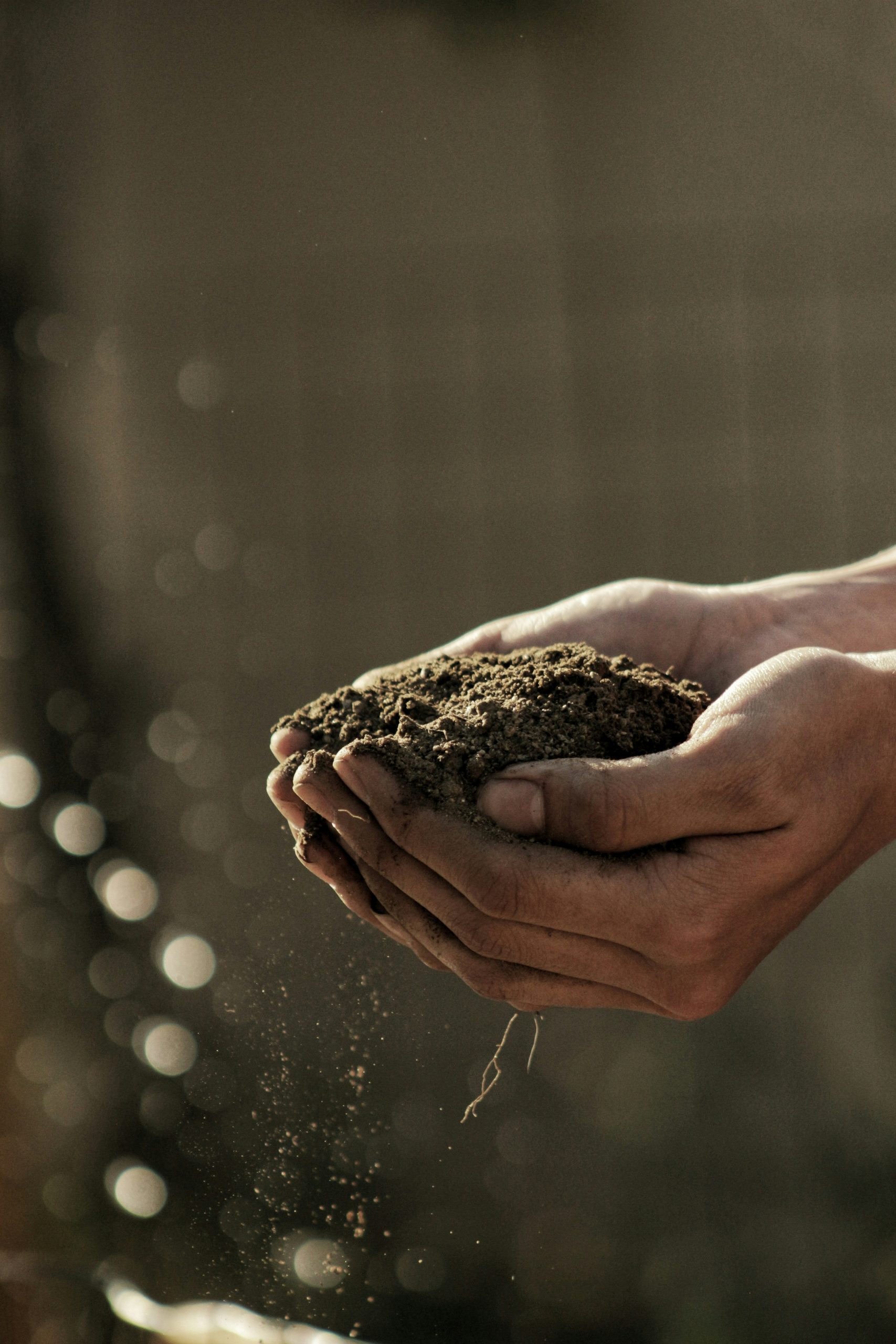
Lead Photo by Gabriel Jimenez via Unsplash

Shelli is an advocacy writer and creative writing teacher. She loves to spend time with her husband (usually in the garden) and their four almost adult children. She also loves to sew (usually for the local community theater), to read, to write, and to drag her family outside to look at the sky. Shelli is passionate about poetry, Broadway show tunes, and telling stories -- of ourselves, our families, and our communities.
View Author PageStay Inspired
Join Our Newsletter Journey
Dive deeper into the world of Big Ocean Women. By subscribing to our newsletter, you'll receive a monthly dose of empowering stories, insightful articles, and the latest news from our global sisterhood. Don't miss out on the wave of inspiration – subscribe now and be part of our ever-growing community.