
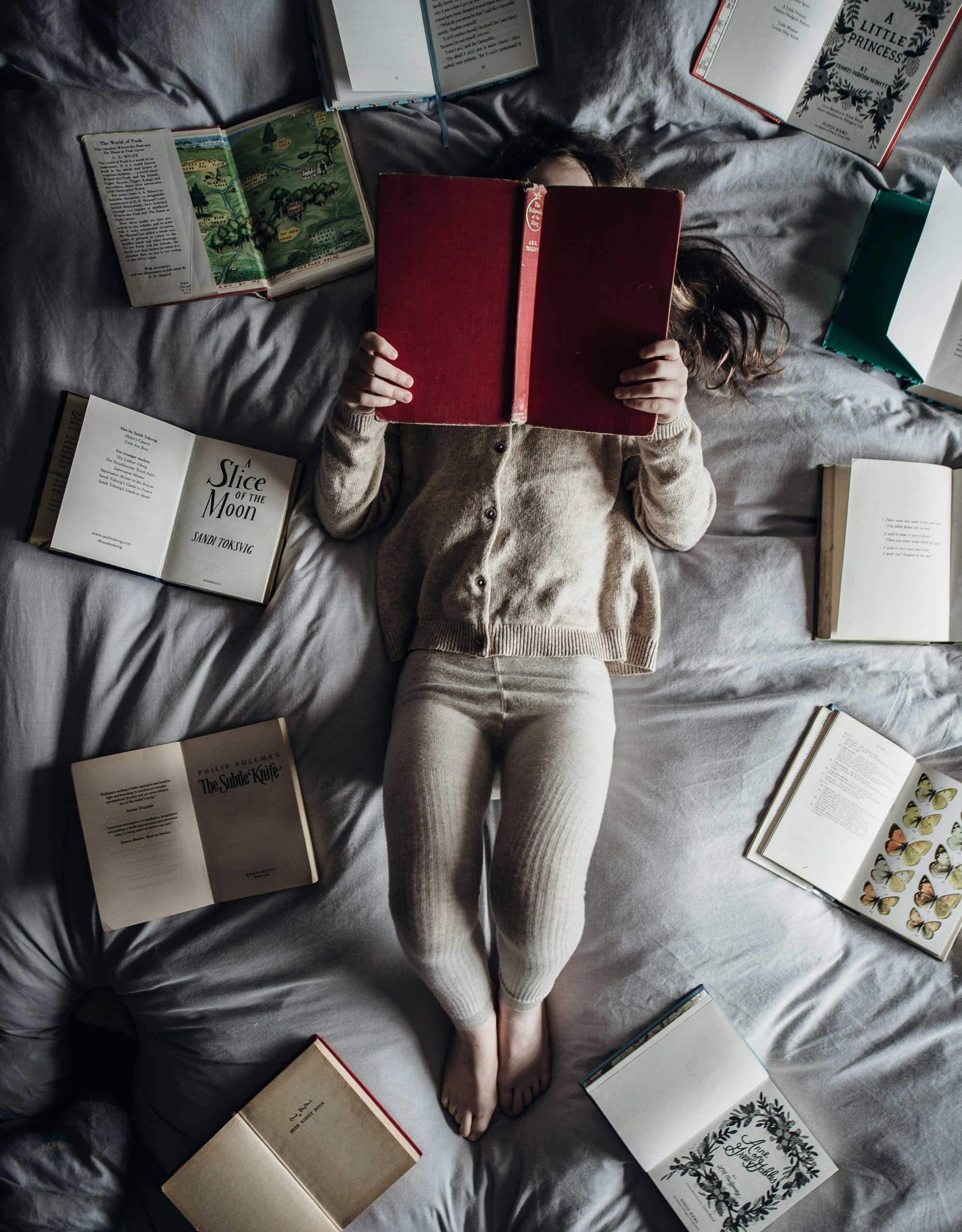
Is the education our children are receiving on par with their potential?”
— Oliver Van DeMille, A Thomas Jefferson Education
The question of what is to be done to effectively improve education has long been debated. In the book titled Leadership Education: The Phases of Learning it discusses how some of the very philosophers that are known to have influenced what is the modern-day education system of the United States are people such as John Dewey, Lev Vygotsky, Erik Erikson, and Jean Piaget. It is interesting how some of their ideas and philosophies have changed over time and some of their main points never implemented into our public school system. Part of this may be because in many educational classes for teachers, they are not reading from the actual source, but rather being trained through a textbook sharing parts of information from these resources without the full context. While it is faster to have a summarized version of information, one of the downsides to this is that future teachers do not have the opportunity to read and decipher their own opinions of the full material, but rather what the textbook would have them see or think. For example, some of Dewey’s model that has been applied in modern-day education is the structured buildings of schools themselves with halls, lockers, and bells. He believed learning is more influenced by the structure, model, and environment of education than by its actual curriculum. Other things applied from Dewey’s ideas were classes that are segregated by age and rewards/punishments to prod learning. Parts of Dewey’s model that haven’t been as implemented are ideas such as parents being the primary instructors and that teachers should reinforce and build on the child’s home values. He states teachers should individualize learning to each child, the best way for a child to learn is through play, and teachers should guide rather than demand. It brings on the question, is the current way children are being taught producing the best environment for them to learn? Children need opportunities to play and experience things that help them to internalize concepts as well as feel safe to do so. What about parental involvement in the schools? Why are we hesitant to do this? Isn’t a child’s education more a parental responsibility than even the governments?
Accumulating information just to regurgitate the information later on isn’t enough and isn’t true education. We need to care not only about results and test scores, but even more so who these children are becoming. I believe that as parents, we need to know what our children are being taught in schools, how it is being taught, and be active participants. Parents get to be an influence that inspires who their children are becoming in their education.
It is interesting how our Ivy League schools once held the Bible in their use but have taken it out since. It is interesting how the 81 foot tall National Monument to the Forefathers in Plymouth, Massachusetts is hardly known, yet shares our ancestors’ deep feelings and views on the study of the Bible, religion, its role in shaping moral character, and both protecting and promoting civil liberty etched in the granite stone. Our roots of shaping character as well as the mind run deep and we have the resources to learn these things right at our fingertips.
Thomas Jefferson back in his day, gained his knowledge through a great tutor and through reading great books. He wrote, “If a nation expects to be ignorant and free, in a state of civilization, it expects what never was and never will be.” Thus, it is our responsibility to be informed through reading great books ourselves, thinking deeply, and applying their principles.
Gaining an education for ourselves can influence our children. Religious leader Russell M. Nelson said, “Education is the difference between wishing you could help other people and being able to help them.”1 An education can mean the difference in our capacity to help those in need around us.
May we all gain a greater awareness and desire to learn what our education system needs and become involved in the ways we can. We can inspire our children, shaping their character and who they choose to become. As we do, we change future generations.
Lead Photo Credit: Annie Spratt via Unsplash
Parents may be looking for resources to add to their learning in public schools or wanting to try homeschooling. These are some free resources available to those who have interest.
Well Educated Heart:
https://www.librariesofhope.com
The Good and the Beautiful (Level 1-5 Free Downloads):
Easy Peasy All in One Homeschool:
https://allinonehomeschool.com
CK-12-curriculum (K-12):
Ambleside- Full Charlotte Mason Curriculum program (K-12):
https://www.amblesideonline.org/curriculum.php
Core Knowledge (Pre-K-12):
KHAN ACADEMY Videos and Lessons (3-12):
Charlotte Mason Help:
https://www.charlottemasonhelp.com/p/free-curriculum.html
Connections Academy:
https://www.connectionsacademy.com
Watch. Know. Learn:
http://www.watchknowlearn.org/
A Thomas Jefferson Education:
Citations:
1- Nelson, M. Russell. “What Will You Choose?” CES Devotional. CES Devotional, 6 Sept. 2013, Brigham Young University Hawaii, Brigham Young University Hawaii.
DeMille, Oliver Van. A Thomas Jefferson Education: Teaching a Generation of Leaders for the Twenty-First Century. Thomas Jefferson Education, 2017. DeMille, Oliver Van, and Rachel P. DeMille. Leadership Education: The Phases of Learning. TJEd.Org, 2013.

Bethanie Nielson is the sweetheart of her husband Matthew and mother to her two children. She is an advocacy and freelance writer and has written and told stories since she was a little girl. She loves to go on adventures with her family hiking, playing outdoors, singing together, and both dancing and cooking up amazing things in their kitchen. She is a home educator and loves to learn wherever they go.
View Author PageStay Inspired
Join Our Newsletter Journey
Dive deeper into the world of Big Ocean Women. By subscribing to our newsletter, you'll receive a monthly dose of empowering stories, insightful articles, and the latest news from our global sisterhood. Don't miss out on the wave of inspiration – subscribe now and be part of our ever-growing community.