

One of my deeper fears in life is to sing a song as a soloist in front of others. I am so afraid of it actually, that I only sing ‘solo’ when I am at home. The fear runs deep enough inside of me that it actually shuts me down with any attempt I have ventured to try and sing in front of others.
I have been trying to understand my fears, and so I spent time trying to figure out why it scares me so much to sing a solo. In the process, I learned something fascinating about choices I make in my mind.
While reflecting on my fear of singing in public, I realized at some point that I judged people, a lot, when they sang as a soloist. If they had a good voice I gave them good marks, but most people did not have professional voices, and I would have negative or harsh judgments. Thoughts such as “do they not know how they sound?” would go through my mind.
My thoughts were a choice I made, and I learned that the reason I feared singing a solo was because I had improper judgment when it came to those who did sing. Because I judged unrighteously, I created a prison of fear for myself. I could never bring myself to do the thing for which I judged unrighteous judgment.
In other words, my choice to judge led to the place where I was in my own prison of fear. Because I was too harsh in judgment, I could not bring myself to do the thing I judged unless I had a perfect voice.
While fear comes from more places than just unrighteous judgment, the choice to judge unrighteously, I believe, will produce a prison of fear that traps us in and prevents us from doing the very thing we are unrighteously judging someone else for doing.
While I always knew that my actions would lead to good or bad consequences that I could benefit from or struggle through, I had never considered how much my freedom to choose my thoughts would bring with it its own set of real consequence.
What I learned is that my fears can help me see some of the areas where I judge too harshly. My fears showed me areas where I needed to be kinder, to judge less, and to celebrate the efforts of others.
As I realized this, I started trying to celebrate the efforts and courage of others when they sang a solo in church or at other places. Interestingly, as I did so, my fear of singing a solo started to go down. I then made the goal to sing loud enough in church to be heard by the person in front of me. As I did that, my judgment levels went down further, and I discovered that my fear levels associated with singing were dropping in relation to my choice to be kinder to those who had the courage to sing in front of others.
I still haven’t sung a solo in front of others (I am not yet a singer that is typically asked to do so), but I have the goal of getting to that place by eliminating my unrighteous judgment and taking steps to sing where others can hear me. I did audition for a play that required singing, and I recorded myself singing and submitted the video. I did not get a singing part, but I ended up in the play still, and I was not paralyzed by fear when creating the audition video or acting in the play.
For me, the less I judge unrighteously, the less I am controlled by fear. This is because fear kicks in to protect me from having others do the same thing I am doing (judging). When I judge, my mind assumes others do as well, and my fear tells me not to do that thing in order to protect me from hurting the self-image that I created through judgment.
It has been interesting to apply these same principles in other areas of my life to try and improve and get past some of my unrighteous judgments. I have loved seeing that one of the ways to stop living by fear is to stop judging others unrighteously.
As I have the ability to choose my thoughts, as well as my actions, I am responsible for what I think, and what I think seriously impacts how I can function and interact with others. Thus, I have learned that my freedom to choose means that I need to make good decisions about my thoughts and the judgments I make.
We often create our own prisons, and we can choose to stay trapped by fear, or we can choose to love and celebrate others and be kind in our thoughts and judgments. The things we think will either imprison us or set us free. The choice is up to us.
En Español:
Traducido por Jessica Yanez Barker
Mi Prisión del Canto
Uno de mis miedos más profundos en la vida es cantar una canción como solista frente a otras personas. De hecho, me da tanto miedo que nada más canto cuando estoy yo solo en casa. El temor es tan fuerte dentro de mí que me paraliza cada vez que intento cantar frente a otros.
He estado tratando de entender mis miedos, así que he dedicado tiempo a descubrir por qué me asusta tanto cantar un solo. En el proceso, aprendí algo fascinante sobre las elecciones que hago en mi mente.
Mientras reflexionaba sobre mi miedo a cantar en público, me di cuenta de que en algún momento juzgaba mucho a las personas cuando cantaban como solistas. Si tenían una buena voz, les daba buena calificación, pero la mayoría no tenía voces profesionales y yo emitía juicios negativos o duros. Pensamientos como “¿No saben cómo suenan?” pasaban por mi mente.
Mis pensamientos eran una elección que yo hacía, y aprendí que la razón por la que temía cantar un solo era porque tenía un juicio inapropiado hacia quienes sí lo hacían. Debido a que juzgaba injustamente, creé una prisión de miedo para mí mismo. Nunca podía obligarme a hacer aquello por lo que emitía juicios injustos.
En otras palabras, mi elección de juzgar me llevó al lugar donde estaba atrapado en mi propia prisión de miedo. Como era demasiado severo en mis juicios, no podía obligarme a cantar a menos que tuviera una voz perfecta.
Aunque el miedo proviene de más lugares que solo el juicio injusto, creo que la elección de juzgar de manera incorrecta produce una prisión de miedo que nos atrapa e impide que hagamos aquello mismo por lo que juzgamos a otros.
Siempre supe que mis acciones traerían consecuencias buenas o malas, de las que podría beneficiarme o sufrir, pero nunca había considerado cuánto mi libertad de elegir mis pensamientos traería consigo su propio conjunto de consecuencias reales.
Lo que aprendí es que mis miedos pueden ayudarme a ver las áreas donde juzgo muy severamente. Mis miedos me mostraron las áreas donde necesitaba ser más amable, juzgar menos y celebrar los esfuerzos de los demás.
Al darme cuenta de esto, comencé a intentar celebrar los esfuerzos y el valor de otros cuando cantaban un solo en la iglesia o en otros lugares. Curiosamente, al hacerlo, mi miedo a cantar un solo empezó a disminuir. Luego me propuse cantar lo suficientemente fuerte en la iglesia para que la persona frente a mí pudiera escucharme. Al hacerlo, mis niveles de juicio bajaron aún más, y descubrí que mis niveles de miedo asociados con el canto disminuían en relación con mi elección de ser más amable con quienes tenían el valor de cantar frente a otros.
Todavía no he cantado un solo frente a otros (aún no soy alguien a quien normalmente se le pide hacerlo), pero tengo la meta de llegar a ese punto eliminando mis juicios injustos y dando pasos para cantar donde otros puedan escucharme. Audicioné para una obra que requería cantar, grabé un video cantando y lo envié. No obtuve un papel de canto, pero terminé en la obra de todos modos, y no quedé paralizado por el miedo al crear el video de audición ni al actuar en la obra.
Para mí, cuanto menos juzgo injustamente, menos me controla el miedo. Esto se debe a que el miedo aparece para protegerme de que otros hagan lo mismo que yo hacía (juzgar). Cuando juzgo, mi mente asume que otros también lo hacen, y mi miedo me dice que no haga esa cosa para protegerme de dañar la autoimagen que yo mismo creé a través del juicio.
Ha sido interesante aplicar estos mismos principios en otras áreas de mi vida para intentar mejorar y superar algunos de mis juicios injustos. Me ha encantado ver que una de las maneras de dejar de vivir con miedo es dejar de juzgar a los demás injustamente.
Como tengo la capacidad de elegir mis pensamientos, así como mis acciones, soy responsable de lo que pienso y lo que pienso impacta seriamente en cómo puedo funcionar e interactuar con los demás. Así, he aprendido que mi libertad de elegir significa que necesito tomar buenas decisiones sobre mis pensamientos y los juicios que hago.
A menudo creamos nuestras propias prisiones, y podemos elegir permanecer atrapados por el miedo, o podemos elegir amar y celebrar a los demás y ser amables en nuestros pensamientos y juicios. Las cosas que pensamos nos encarcelarán o nos liberarán. La elección depende de nosotros.
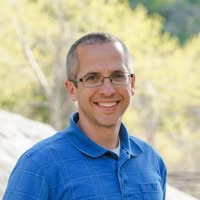
Austin Hepworth is a husband and father of eight children. He runs Believe First, an organization committed to helping empower individuals, families, and communities. He also works as an attorney with business owners and families and works with a variety of political groups and efforts. Austin loves street hockey, ultimate frisbee, and a good game of foosball, as well as camping with his family.
View Author PageStay Inspired
Join Our Newsletter Journey
Dive deeper into the world of Big Ocean Women. By subscribing to our newsletter, you'll receive a monthly dose of empowering stories, insightful articles, and the latest news from our global sisterhood. Don't miss out on the wave of inspiration – subscribe now and be part of our ever-growing community.